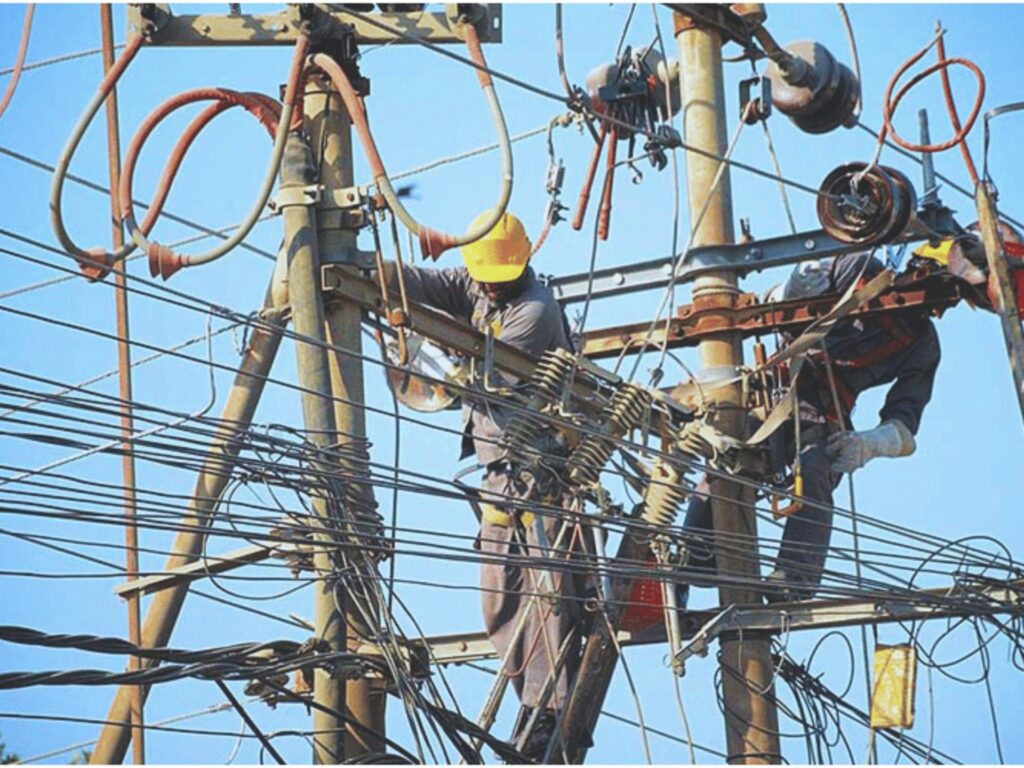
In construction, change management is a frontline safety tool. When site conditions shift, so do the hazards. Without a structured review, even small changes can undermine controls and increase risk. Teams that manage change proactively can prevent injuries and maintain project momentum.
What is change management in construction safety?
In construction safety, change management refers to a structured process that helps teams anticipate and control new risks introduced by operational changes.
Changes can include:
- Field-driven design updates
- Staffing substitutions
- Resequenced tasks due to delays
- Subcontractor handoffs
- Weather-triggered rescheduling
- Material replacements or equipment swaps
None of these changes are rare. What matters is how teams handle them. Construction sites are fast-moving and often improvised, which makes the lack of a structured change management process especially risky. Without a clear system to review safety impacts before changes hit the field, subtle shifts can quickly lead to serious consequences.
What safety failures can poor change management create?
When changes go unreviewed, safety controls often fall out of sync with the work being done. Hazards don’t always announce themselves, they often appear as small shifts that teams overlook until it’s too late.
A design change might eliminate a tie-off point. A compressed schedule might push crews into longer shifts, increasing fatigue and reducing focus. A last-minute change order could add tasks or equipment no one was trained to handle.
These scenarios aren’t rare, and they lead to breakdowns like:
- Permits lapse after a scope change, but the work continues anyway
- Coordination breaks down when new subcontractors show up with no updated hazard briefing
- Controls no longer fit because the JHA reflects the old task, not the one actually being performed
At the root of each failure is the same issue: safety plans built for yesterday’s conditions. Without structured change management, even well-intentioned teams can end up working with outdated controls. That’s why change management expectations are embedded in safety standards and regulatory guidance.
Do safety regulations require change management in construction?
Construction-specific standards don’t always label it “Management of Change,” but the principles are there. For example:
- OSHA’s Safety and Health Management Systems guidance lists MOC as a core program element.
- ANSI/ASSP Z10.0, a widely adopted consensus standard, builds MOC into its design review process, emphasizing the need to assess hazards and human factors during changes.
- The OSHA Challenge program for construction includes a requirement to review “significantly different operations or procedures” before implementation.
The goal isn’t to turn every field change into a paperwork exercise. It’s to meet the regulatory expectation for structured reviews in safety-critical work, and construction fits that category. Preventing failures starts with a clear, repeatable process that teams can apply, even when the project moves fast.
How can safety teams build a better change process?
Most construction projects move fast. But speed doesn’t have to come at the expense of safety. A strong change management process helps crews stay aligned as conditions shift, without bogging them down. The key is structure that fits the pace of the field.
Here are five focus areas that make construction change management more reliable:
- Trigger a review: Don’t wait for formal approvals. Prompt a safety check the moment work methods, crews, or materials change, even informally. Early awareness keeps controls aligned.
- Update the JHA or PTP: Don’t just check a box. Reassess the actual task as it will be performed, and make sure the documented controls still apply in real-time conditions.
- Engage the field: Make change recognition part of the daily routine. Empower crews to flag mismatches between the plan and reality, then give them a clear process to report it.
- Verify permits and training: Go beyond credentials. Reconfirm whether the scope of work now requires new procedures, monitoring, or qualified oversight that wasn’t needed before.
- Use workflows that leave breadcrumbs: Don’t rely on memory or informal handoffs. Log who reviewed the change, what was identified, and how the controls were adjusted, so nothing gets lost in transition.
Still, even with structure in place, teams need tools that match the pace and complexity of the field.
Can technology improve change management in the field?
Absolutely, especially when the tech is designed for how crews actually work. That’s where Field1st stands out. It tackles the core issue in construction safety: changes often happen fast, in the field, without time for manual updates or disconnected systems.
Field1st gives safety teams a real-time view of what’s changing and what risks that creates. It doesn’t just digitize paperwork. It builds a workflow that helps crews spot, assess, and respond to change before someone gets hurt.
Here’s how it helps:
- Auto-prompts risk reviews when tasks, locations, or shifts change
- Digitizes and connects JHAs, inspections, and change logs in one platform
- Uses voice-to-text input so foremen can document changes hands-free
- Flags high-risk scenarios using AI to analyze photos and field entries
- Delivers targeted microtraining based on the actual change, like fall protection or LOTO
Field1st doesn’t just track changes, it helps your crews respond to them, in real time, with the right controls. It gives you visibility, structure, and confidence in the moments where risk spikes.
If you’re dealing with shifting crews, compressed timelines, or evolving job scopes, Field1st can help you close the change management gap before it becomes a safety event. Book a demo today and see how Field1st keeps field teams aligned, protected, and ready for what’s next.
FAQs
What does a change management process look like on a construction site?
It typically starts with a trigger, like a scope shift, design update, or subcontractor change. Then teams pause to review new risks, update safety plans, and communicate changes in the field.
Who should lead change management in a construction project?
Site supervisors or safety managers usually take the lead, but effective MOC requires input from foremen, field crews, and project managers to catch real-time changes that affect safety.
How does change management reduce construction delays?
By flagging risks early and updating controls in real time, MOC helps prevent rework, injuries, and stoppages tied to overlooked hazards. It keeps crews aligned and operations moving.
What role does pre-task planning play in change management
Pre-task planning (PTP) acts as a front-line tool for identifying daily changes. When conditions shift, updating the PTP ensures crews understand new hazards before starting work.
How can change management support fall protection planning
When anchor points move or sequencing shifts, MOC ensures fall protection plans get updated to reflect the new layout. Without it, crews may unknowingly tie off to compromised points.