What is construction digital transformation?
Construction digital transformation is the shift from manual, paper-based processes to connected, technology-driven systems. It uses tools like mobile apps, digital forms, real-time dashboards, and AI to improve how projects are planned, tracked, and executed.
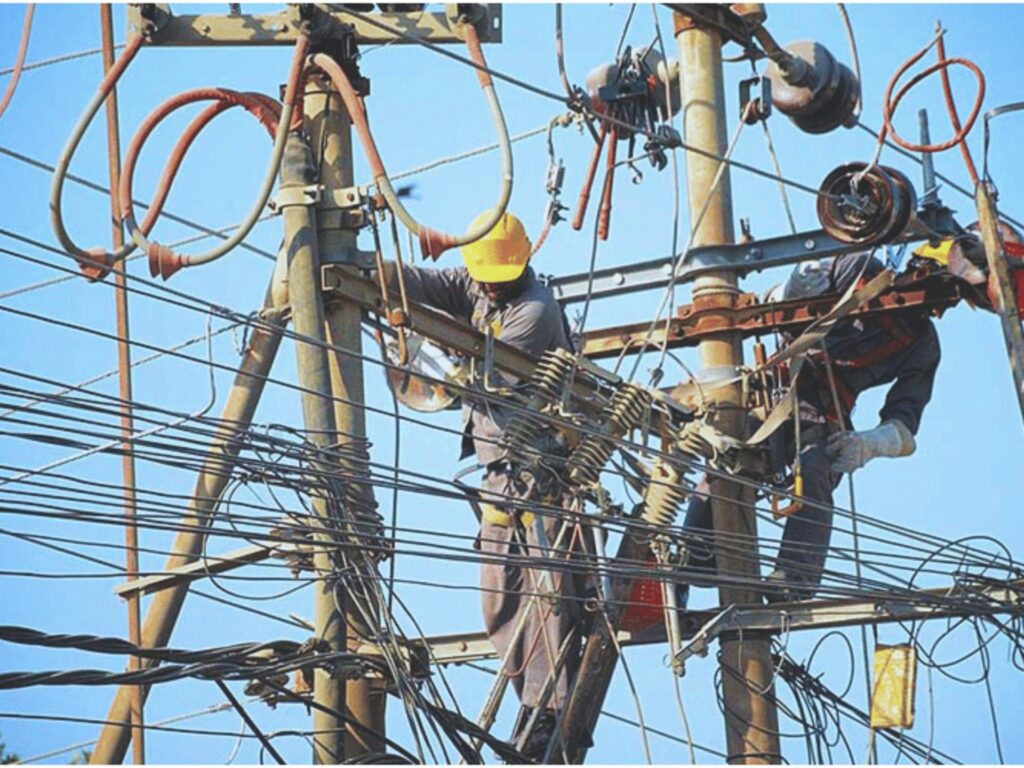
This shift isn’t just about speed or convenience, it’s about safety and control. According to the Bureau of Labor Statistics (BLS), construction experiences more fatal workplace injuries than any other industry in the U.S. Digital tools help reduce that risk by improving visibility, automating key safety tasks, and supporting faster, smarter decisions in the field.
As job sites grow more complex, so do the challenges. Rising labor costs, tighter deadlines, and strict compliance requirements demand systems that keep up. That’s where digital platforms step in, giving safety and operations teams the real-time data they need to stay ahead. But digital transformation isn’t just about process, it’s directly improving how safety is managed every day in the field.
How does digital transformation improve construction safety?
Digital tools replace paper-based safety processes with mobile-friendly, connected systems. This change supports real-time safety monitoring, faster reporting, and stronger compliance.
Here are some examples:
- AI-powered risk prediction finds patterns in your safety data to predict where future hazards may happen.
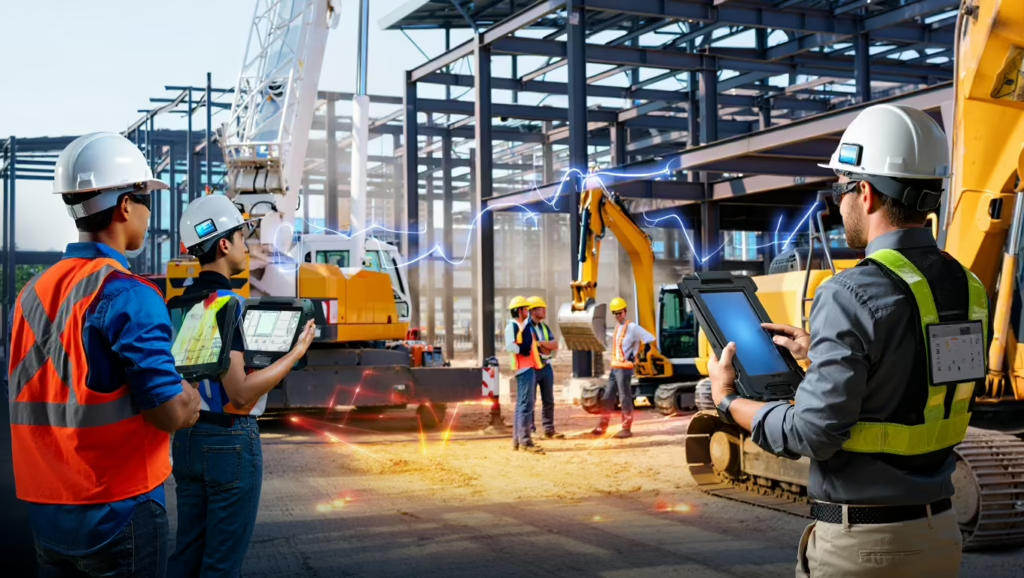
- Digital JHAs (Job Hazard Analyses) let crews review risks on a tablet or phone, even on remote sites.
- Voice-to-text forms speed up safety reports and reduce errors from rushed handwriting.
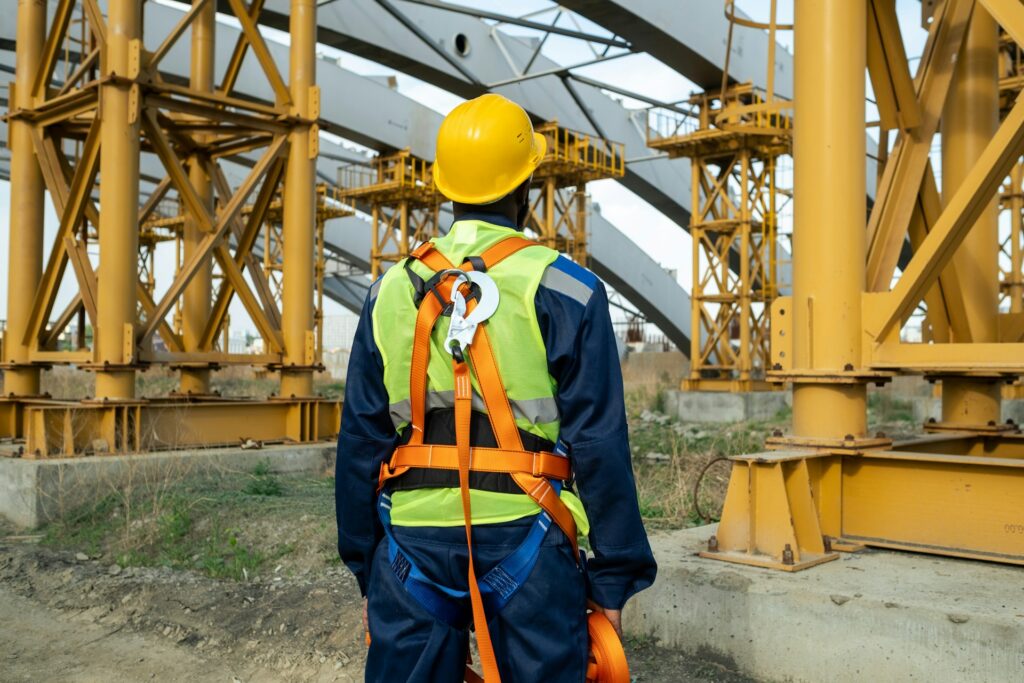
- AI image recognition scans photos from the field to flag missing PPE or unsafe conditions.
- Real-time weather alerts warn crews when conditions may create heat, wind, or cold-related dangers.
According to ISO 45001:2018, technology should support hazard identification, worker participation, and performance tracking. Digital safety platforms do exactly that, helping companies build safer processes that meet global standards. But these tools don’t just make safety easier, they’re delivering measurable results across entire construction projects.
What are the benefits of digital transformation in construction projects?
Digitalisation in the construction industry delivers real, jobsite-level results. Companies that move from manual processes to digital safety and project workflows report:
- Fewer injuries and near-misses, thanks to better hazard awareness and faster response times
- Faster reporting and inspections, with mobile tools that streamline documentation
- Improved team communication, as field data is shared instantly across roles and locations
- Lower risk of regulatory violations, through better tracking of safety tasks and compliance records
- Better tracking of training, permits, and equipment, keeping crews ready and job sites audit-ready
Digital platforms help teams stay organized, act quickly, and prevent problems before they happen, all critical for high-risk, fast-moving projects. Much of this progress is being powered by artificial intelligence, which is now playing a bigger role on the jobsite than ever before.
What role does AI play in construction industry digital transformation?
Artificial intelligence is becoming a key driver of smarter, safer construction sites. AI tools are helping teams spot risks earlier, reduce manual tasks, and make better use of their safety data. Today, AI is being used to:
- Predict incidents by analyzing trends in jobsite safety data
- Detect missing PPE from site photos using computer vision
- Suggest hazard controls based on your internal safety procedures
- Answer safety questions using company policies and OSHA guidelines
NIOSH also highlights AI’s role in automating high-risk tasks like excavation or material handling. Still, rolling out new technology isn’t always smooth. Several barriers continue to slow down digital adoption across the industry.
What challenges slow down digital transformation in construction?
Digital transformation in construction has clear benefits, but adoption isn’t always easy. Many companies run into familiar roadblocks that slow progress, including:
- Old habits and resistance to change, especially among crews used to paper-based systems
- Poor connectivity on remote jobsites, making cloud-based tools harder to access
- Systems that don’t talk to each other, creating data gaps between teams and departments
- Clunky or time-consuming safety forms, which frustrate users and reduce engagement
- Limited training and support, leaving workers unsure how to use new tools effectively
Overcoming these challenges requires solutions built with the field in mind, not just the office. Platforms need to be fast, simple, and designed to make work easier for the crews who rely on them every day. That’s why choosing the right platform, one designed for crews, not just compliance teams, is key to making digital transformation stick.
How Field1st helps companies lead in construction digital transformation
Digital transformation only works when the tools work in the field. That’s why Field1st was built for crews, not just compliance teams. It replaces outdated, paper-heavy processes with fast, mobile, AI-powered tools that make safety part of the job, not a box to check.
With Field1st, your team can:
- Predict risks before they happen, using real-time AI safety analytics
- Capture safety forms hands-free with Voice1st, no more typing in the field
- Detect hazards and missing PPE automatically from photos using AI image recognition
- Assign targeted training on the spot, based on identified risks or controls
- Store emergency response details in Ready1st for instant access by first responders
- Track inspections, incidents, and training from one mobile dashboard
- Get answers fast with Co-Pilot Chat, trained on your company’s data and OSHA guidance
If your teams are still using clipboards or clunky systems that slow them down, now’s the time to move forward. Book your free demo today and see how Field1st helps you prevent more, act faster, and stay ahead.
FAQ
How can mobile apps improve jobsite safety in construction?
Mobile safety apps help crews complete inspections, report hazards, and access JHAs right from the field. This keeps safety tasks timely, accurate, and connected, even on remote sites.
Why is digital transformation important for construction compliance?
Digital tools help companies meet safety standards like ISO 45001 by improving hazard tracking, recordkeeping, and worker participation. This reduces the risk of missed requirements or failed audits.
Can AI really prevent incidents on a construction site?
Yes. AI can analyze safety data to predict where risks are likely to occur, flag missing PPE in jobsite photos, and recommend controls based on past trends, all of which support proactive safety management.
What’s the biggest barrier to digital transformation in construction?
Resistance to change is one of the biggest challenges. Many crews are used to paper processes, so adoption only works when tools are simple, mobile-friendly, and built for field use.
How does voice technology improve safety reporting on site?
Voice-to-text tools like Voice1st let workers fill out safety forms hands-free, even while wearing gloves. This speeds up reporting and makes it easier to capture issues in the moment.