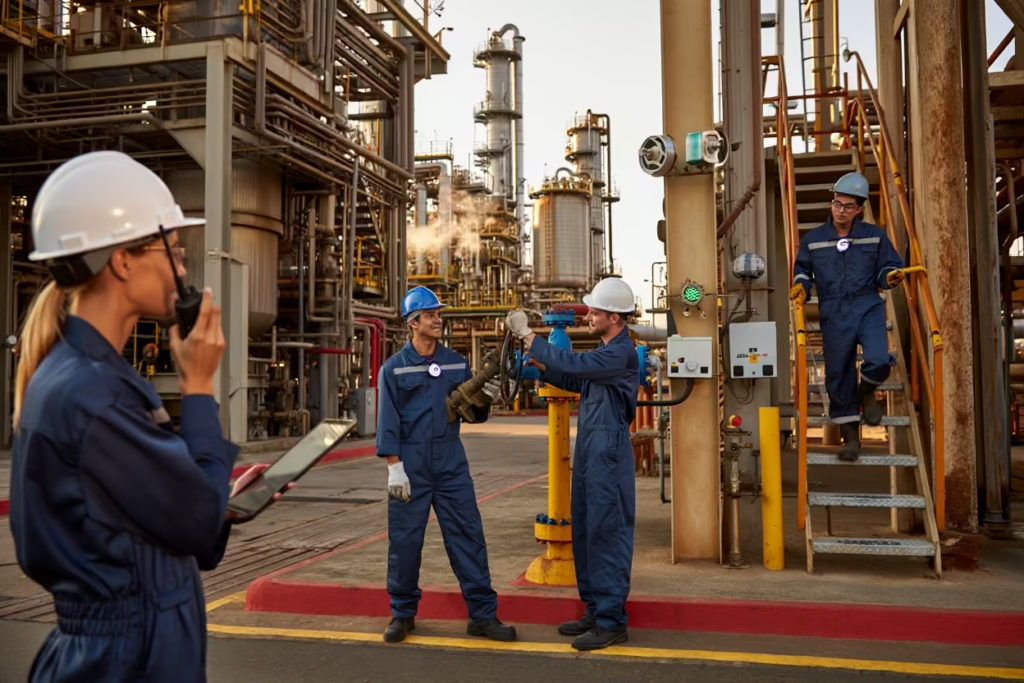
What Is Digital Transformation in the Oil and Gas Industry?
Digital transformation in oil and gas means using connected tools and smart technologies to manage safety, compliance, and operations more effectively. It’s about replacing paper forms with cloud-based workflows, using AI to flag risks before they escalate, and giving crews and managers faster access to the information they need.
This shift isn’t just about speed, it’s about safety. Oil and gas remains one of the most hazardous industries in the U.S., with 78 worker fatalities reported in 2023 and 83 in 2022, according to the Bureau of Labor Statistics. Even well-run safety programs can fall short without timely data and clear visibility into jobsite risks.
Digital tools give companies that visibility. They help crews spot hazards earlier, track inspections and permits in real time, and give safety leaders better data to prevent failures before they happen. These systems also support compliance with federal safety rules from OSHA, EPA, BSEE, and PHMSA, each of which requires detailed documentation, process safety programs, and proof of risk controls.
How Does Digital Transformation Improve Field Safety in Oil and Gas?
The biggest gains come from speed and visibility. In oil and gas operations, minutes matter. Paper systems delay awareness. Radio calls miss details. End-of-shift reports arrive after conditions have already changed. Digital systems shorten that gap. They move safety data from the job site to supervisors and safety leaders while work is still happening. That shift alone changes how risk gets managed.
Digitized systems allow safety teams to:
- Capture inspections and incidents in real time
- Monitor conditions remotely
- Alert crews to job-specific risks before work starts
- Track corrective actions from open to closed
For example, fatigue is a known risk in oil and gas due to long commutes and long shifts. NIOSH reports that motor vehicle crashes are the leading cause of death in this sector. Real-time apps can track shift durations and alert supervisors when workers are at risk.
Still, even the best digital systems can only go so far without smart automation. That’s where AI steps in to help safety teams stay ahead of risk.
How Are AI and Automation Changing Oil and Gas Safety Programs?
AI is helping operators go from reactive to proactive. Traditional safety programs depend on after-the-fact reviews. Someone gets hurt. An investigation follows. A new rule gets written. AI shifts that timeline. It looks across thousands of records at once and surfaces patterns humans rarely see early. That capability matters in oil and gas, where low-frequency, high-consequence events often hide inside routine data.
Some current uses include:
- Predicting incidents by analyzing inspection and near-miss data
- Recognizing hazards from images using computer vision
- Recommending controls based on internal policies and standards
- Assisting with training by suggesting the right content at the right time
These tools don’t just support EHS managers. They help field workers directly by cutting paperwork, surfacing job‑specific risks, and guiding safer decisions in real time. AI makes safer work possible in the moment, not after the fact. But those results depend on the platform behind it. That’s where Field1st comes in.
How Does Field1st Support Digital Transformation in the Oil and Gas Industry?
Field1st is a safety intelligence platform purpose-built for high-risk, high-pressure field environments. We help oil and gas operators modernize their safety systems without adding complexity or slowing down critical work.
Our platform delivers tools that make safety faster, smarter, and easier to manage at every level:
- Digital inspections and incident forms that work offline and sync automatically
- AI-powered risk prediction that flags hazards before they become incidents
- Voice1st data capture so crews can fill out forms without stopping work
- AI hazard detection from images, linked to your internal standards and controls
- Contextual safety alerts, including task-specific videos and real-time weather triggers
- A field-ready content library with training, documents, and media, even offline
Every action in the platform feeds directly into your compliance and risk analytics. You get real-time visibility, better documentation, and the confidence that nothing’s slipping through the cracks.
Digital transformation in oil and gas isn’t just about upgrading technology. It’s about giving your teams the tools to prevent incidents, respond faster, and stay compliant, without the paperwork drag. Field1st is built to do exactly that.
Schedule a demo today and see how Field1st can help you bring safer, faster, more intelligent safety to the field.
FAQ
What Drives Digital Transformation in Oil and Gas Safety?
Strict regulations, high incident rates, and field complexity push oil and gas companies to adopt digital tools. These systems help teams work faster, document better, and reduce serious safety risks.
How Does AI Support Safety in the Oil and Gas Industry?
AI analyzes inspection data, detects hazards in photos, and suggests safety actions in real time. This helps workers act quickly and reduces the chance of serious incidents.
Which Regulations Push Oil and Gas Companies to Go Digital?
OSHA, EPA, BSEE, and PHMSA rules require strong safety programs with documented training, inspections, and risk controls. Digital platforms make it easier to stay compliant and audit-ready.
Why Are Paper-Based Safety Systems Failing in Oil and Gas?
Paper systems slow down inspections, hide trends, and make audits harder. Digital tools speed up reporting, improve visibility, and help safety teams close gaps before problems grow.
What Are the Top Benefits of Digital Safety Tools for Field Teams?
Digital tools help field crews capture incidents on the spot, access task-specific training, receive hazard alerts, and complete inspections faster, even offline.