
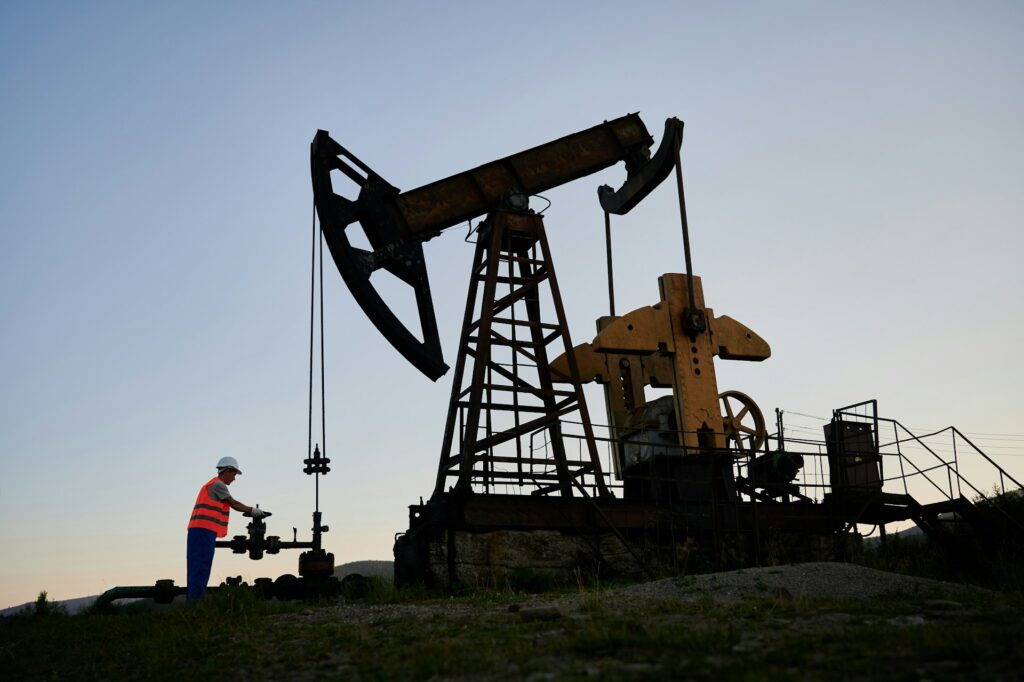
Gas utility crews face unique challenges as winter transitions into spring. Thawing ground can cause pipes that were stable one month to shift, creating unseen risks for field teams. Weather changes don’t just affect schedules; they alter infrastructure behavior. These seasonal shifts can make it more difficult to predict when and where a hazard may occur, which means both planning and rapid response are crucial for keeping everyone safe and maintaining uninterrupted service.
Integrating AI into safety protocols transforms raw inspection data and live conditions into actionable insights. AI doesn’t merely flag issues; it identifies patterns, enabling teams to anticipate and address potential hazards before they escalate. This allows safety managers and field teams to bridge information gaps that would otherwise leave them reacting to incidents instead of preventing them.
Taking Guesswork Out of Field Safety
Unpredictable job site changes make clear information essential. A pipe sagging under melting snow might not show immediate damage, and pressure shifts can go unnoticed during routine inspections. Even veteran crews can overlook subtle signs of trouble when working long hours in variable weather. That is where advanced AI comes in, drastically improving the ability to monitor and predict safety risks.
- Continuous Monitoring: AI systems gather data from sensors, inspection logs, and daily field inputs, allowing for the detection of subtle changes before they become significant problems.
- Real-Time Hazard Detection: AI-powered alerts identify risks such as energized lines, confined space dangers, and fall hazards, enabling proactive measures.
By providing a steady stream of real-time data and intelligent analysis, these systems keep field teams updated about conditions that might otherwise go undetected. When each crew member understands where hazards are likely to arise, everyone on site can act with greater awareness and precision.
This real-time monitoring provides a dynamic view of field conditions, reducing the need for crews to retrace steps and allowing them to address issues as they arise. Rather than hoping that regular checks will catch every issue, teams have the advantage of automatic updates that prompt them to inspect the right places, at the right times.
Keeping Crews Informed While They Work
Field conditions can change rapidly. From sudden thaws and ice melt that create muddy, unstable terrain to shifting snow piles that obscure valves or threaten pipe integrity, hazards evolve throughout the transition from winter to spring. Tools that log field details and send alerts directly to devices like phones or tablets are invaluable. Real-time updates allow crews to adjust plans before encountering hazards. For example, a ground crew notified of possible instability can change course before beginning dig operations, minimizing risk.
- Instant Alerts: When AI detects a problem, it sends alerts to relevant personnel immediately, accessible on computers, tablets, or smartphones. Early warnings help prevent accidents and minimize damage by allowing fast intervention.
- Automated Responses: In some cases, AI systems can trigger automated responses to specific issues. For example, if a gas leak is detected, the system might automatically shut off the affected section of the pipeline to prevent further leakage until human intervention is possible.
These tools not only report issues but also create guided workflows updated with the latest field data, improving communication and preventing minor missteps from becoming safety concerns. Field teams benefit from updated instructions at every step, ensuring everyone is on the same page when executing safety protocols. This reduces errors due to miscommunication and enables supervisors to remotely verify that safety steps are being followed correctly.
Furthermore, integrated AI tools help standardize safety responses across various crews and locations. By coordinating responses and automatically updating relevant personnel, the risk of duplicated work or overlooked issues is minimized. This level of communication is especially critical during seasonal transitions, when conditions can change from hour to hour, and reliable sharing of updates is essential for keeping the crew and infrastructure secure.
Using AI to Make Smarter Safety Calls
Supervisors no longer need to rely solely on spreadsheets or delayed field updates. AI-powered dashboards provide live overviews of ongoing work, flagged issues, and areas needing attention. This live data enables managers to see where crews are located, what tasks are being performed, and which hazards are being encountered in real time. As a result, resource allocation and urgent interventions become more efficient.
- Predictive Analytics for Risk Prevention: Identify hazards before they escalate, allowing for proactive measures.
- Automated OSHA Compliance: Prevent fines and penalties with live tracking, ensuring adherence to safety regulations.
These tools enhance decision-making confidence by providing real-time data to support quick, informed choices. Managers can catch patterns that indicate an uptick in risk, such as repeated near-misses in a specific district or accumulating equipment faults, and direct attention where it is needed most. They can also ensure that regulatory requirements are being met by monitoring digital compliance logs updated after each field task.
By reducing the lag between hazard identification and remedial action, supervisors lower the risk of minor hazards developing into serious incidents. The capacity to track every action and alert as it happens makes it possible to demonstrate safety compliance, providing peace of mind for everyone from crew leads to regulators.
Season-Ready Inspections and Reporting
Late winter conditions can strain tools and procedures that were effective in the fall. Ice buildup and thawing can cause hidden damage and misalignments. AI-supported tools help refresh inspection processes by allowing crews to identify not only visible damage but also deeper infrastructure changes or stresses that develop as seasons shift. Digital reporting features capture photographs, notes, and sensor data, which are then automatically archived for future reference and analysis.
- AI-Powered Hazard Analysis: Spot dangers before they become disasters, with AI detecting high-risk activities in real time and flagging hazards before an incident occurs.
- Automated Workflows: AI-driven automation ensures safety approvals, compliance tracking, and task assignments happen without human error, streamlining safety processes.
This approach reduces friction in inspections and documentation, allowing crews to focus on addressing new issues as they arise. Standardized digital workflows mean every member of the team understands their responsibilities and the steps required to stay compliant during frequent seasonal changes. Automated documentation ensures nothing is missed, even when teams are stretched thin due to increased workload during transition periods.
Robust inspection and reporting capabilities also enable better trend analysis. Over time, AI can help identify recurring patterns, such as particular equipment showing patterned degradation each spring, or certain areas being prone to washouts after late snowmelt. With detailed records, field leaders are better equipped for comprehensive maintenance planning.
Turning Everyday Data Into Safer Decisions
The transition from winter to spring teaches that stability is not guaranteed. Gas utility work demands sharp awareness and quick action, which is challenging when conditions shift unpredictably. AI provides tools to aggregate vast amounts of operational data, transforming it into a clear situational overview for every member of the crew.
- Real-Time Monitoring: AI systems are always on, gathering data from various sources like sensors in pipelines, gauges, and meters, helping utilities keep track of system health at all times.
- Instant Alerts: When AI detects a problem, it sends alerts to relevant personnel immediately, accessible on computers, tablets, or smartphones, allowing for quick responses.
By integrating AI into safety protocols, crews can spend less time guessing and more time addressing real-time issues, enhancing overall safety. Advanced analytics identify where safety improvements can be made and provide data-driven feedback for ongoing training. This approach supports both veteran and newer workers by giving them access to insights that might otherwise be lost to experience or time.
AI systems, when paired with user-friendly interfaces and mobile notifications, empower field crews with the ability to react instantly to dynamic threats. In addition, having an ongoing digital record of alerts and interventions helps safety managers refine strategies, which in turn leads to continuous improvement in protocols as new lessons are learned from each season.
Enhancing Gas Utility Safety with AI
At Field1st, we understand the importance of clear insights in improving everyday decisions, especially during seasonal transitions. Our AI-powered tools, such as field data hazard reporting, provide field workers with the visibility needed to work smarter and safer. Ready to stay ahead of changing risks? Connect with us today.


