Gas utility work does not pause when winter rolls around. Demand spikes, cold weather strains infrastructure, and crews are out in some of the harshest conditions. That means there is less room for errors, delays, and miscommunications. Tight schedules, remote work zones, and aging systems all add up to a higher chance something goes wrong.
An AI-driven safety reporting tool can help change the story. With smarter, faster reporting that works even offline, gas utility crews can avoid chasing paperwork and respond to real risks as they appear. This is a step toward safer days and better planning. The following looks at the ways AI can support stronger safety protocols that are easy to follow and make a real difference in the field.
Where Traditional Safety Reporting Falls Short
Paper logs might feel familiar, but they come with tradeoffs that can slow down safety efforts. When crews rely on handwritten notes or manual forms, a few things usually happen:
• Reports get delayed. If someone is busy or back at the truck, an incident might not get recorded until hours later.
• Details go missing. Under stress or tight time limits, parts of a report might end up incomplete or unclear. That can confuse whoever reviews it later.
• Messages do not always get through. Field workers and front offices can end up out of sync, especially if reports are not shared in real time.
These small gaps add up. Hazards can go untracked. Responses can lag. The team can lose an opportunity to learn from what went wrong. Even the best crews may miss steps if they are tired, cold, or distracted by the pace of winter work.
Manual reporting can slow everything down. If someone has to rush inside and fill out forms, the chance that something gets missed grows. Sometimes, old reports pile up and sorting through pages for trends takes time, time a crew may not have during busy winter months.
How AI Transforms Gas Utility Reporting
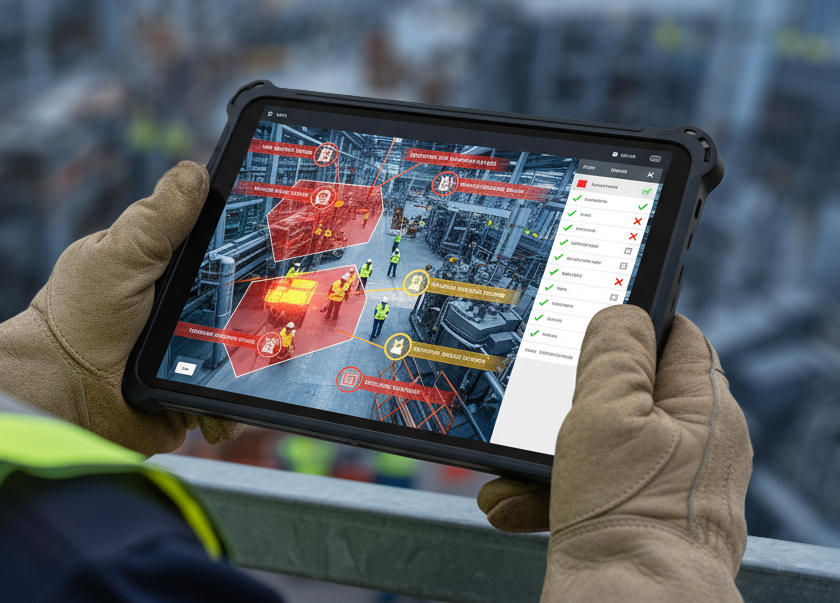
With AI tools built for utility work, reporting becomes a support for the job instead of an extra burden. Instead of relying on memory or stopping work to write things down, crews can:
• Log issues as they see them using voice or mobile prompts that work without a connection.
• Let the tool scan the data for trends, like repeat issues at the same valve or heat-related risks in a certain zone.
• Push reports to management automatically, removing delays or bottlenecks.
Field1st’s platform can be integrated into existing systems, reducing onboarding time and making it easier for gas utilities to start using AI without a complete overhaul. Our solution supports offline operation, which is critical for remote and rural field work where connection gaps are common. With true offline syncing, crews do not have to worry about data loss or missed reporting during blackouts or in areas without service.
The AI reads through reports much faster than any single supervisor could and finds patterns that crews might miss when focused on the demands of winter tasks. By using an AI-driven safety tool, individual crew members do not have to remember every detail. They can focus on fixing the problem, knowing their observations and actions are being recorded.
Planning Better Protocols with the Help of AI
After reports come in, AI keeps working. It can help take that information and turn it into better safety routines that reflect real needs in the field.
• If data shows that spills happen mostly at one site, the checklist can be reviewed to address that area directly.
• When it notices wide gaps between crew safety scores, training issues or unclear policies can be checked.
• If a wear pattern appears on part of the system, schedules may be adjusted to check more often or rotate tasks.
Planning improves when decisions are made based on what the system actually reports.
By updating routines with real-world data, we give field workers rules that make sense for their situation. If a certain hazard only shows up during freezing rain, the protocol can guide the team through extra steps just for that scenario. These changes remove guesswork and make the system work for the people who use it every day.
With AI, reviews of incidents do not just lead to blame, but to real steps that help prevent the same problem next time. Even if a problem happens often in winter, planning can move from “how do we react?” to “how do we avoid it?”
Staying Ahead of Seasonal Risks in Winter
Winter puts unique pressure on gas utilities. Demand increases. Equipment works harder. Surfaces freeze, visibility drops, and people are already tired from long hours.
Running seasonal risk checks using AI allows teams to:
• Track which parts of the line or system show stress during extra cold snaps.
• Predict which sections are most likely to fail or be affected.
• Help dispatch plan better crew movement and vehicle setups to stay ready during storms or outages.
This forward-looking view gives operations a stronger chance to prepare rather than respond only when things get tough.
AI tools help forecast not only physical needs, like where extra salt may be needed for icy areas, but also where more hands might be required if certain zones keep having problems. If the system shows an uptick in leaks when temperatures fall below a certain point, crews can be assigned before an emergency occurs, keeping everyone safer and more prepared.
Real-time information can help operations teams decide which areas need more attention before a cold snap or how to budget overtime when storms are in the forecast. Sharing these insights makes the crews feel supported, not just sent out to deal with the unknown.
Bringing Crews On Board with New Tools
New tech only helps if teams want to use it. How easy it is to pick up these tools makes a difference. Most AI platforms built for field safety can be learned quickly, even by crew members who do not consider themselves tech-savvy.
• Clear icons and simple steps guide users through common reporting needs.
• Onboard training is often built into the platform so no one is left unsure.
• Alerts arrive cleanly so that changes in status are not overlooked.
AI-driven alerts in the Field1st platform are sent in real time, directly to the right team members, helping everyone stay agile and informed no matter where they are working on site. With seamless notifications, the risk of delayed reactions or miscommunication drops dramatically.
When workers see that a tool actually helps, they are more likely to trust it and use it often. That trust builds stronger safety habits across shifts and teams.
A reporting tool is only as good as its use. By showing crews how the system benefits them, and giving them easy access on their phones or tablets, adoption and use rises naturally. Even team members who might be hesitant to use new technology can become comfortable quickly when they see how it makes their jobs easier and lowers the risk of missing something important. When everyone joins in, safety becomes a shared responsibility, not just a rule handed down from above.
Safety Insights for Every Shift
AI is not only a new layer of technology. It is a tool that helps teams stay focused on safety, respond faster, and make better choices in the field. When patterns can be seen in real time, problems do not have to grow before someone takes action.
Better data supports stronger safety protocols that match the work being done. During high-pressure seasons like winter, that advantage is even more important. When crews know where and why things go wrong, repeat mistakes can be avoided and confidence grows.
We are not just recording what happened in the past. We are preparing for safer work today and in the future.
At Field1st, we help utility crews stay ahead of hazards with tools that deliver clarity when it matters most. By replacing slow manual processes with real-time data, it becomes easier to follow and act on safety steps. To improve how issues are tracked and flagged on-site, consider our AI-driven safety reporting tool for better crew visibility without slowing the work. Contact us to get started.