Working around power lines is risky, no matter the season. Late winter brings added challenges like thawing snow, strong winds, and fast-growing brush. That mix makes fieldwork harder and adds pressure to spot problems before someone gets hurt. Preventing damage or injury takes more than a checklist; it takes tools tuned to real conditions, updated in real time.
We’re focusing on how power line hazard prevention tools help make crews safer and more confident while keeping up with safety requirements. These tools play a quiet but important role, especially when built into EHS software. When alerts, inspections, and training are all connected, it gets easier to stay safe without slowing down the work.
Understanding the Risks Around Power Lines
Some power line hazards show up slowly. Others can come out of nowhere. Late winter tends to bring more of both.
• As snow melts, the ground softens and poles shift, changing line tension
• Windstorms snap branches that have grown too close to live wires
• Ice from earlier weeks may have stressed components that now look “fine” but aren’t
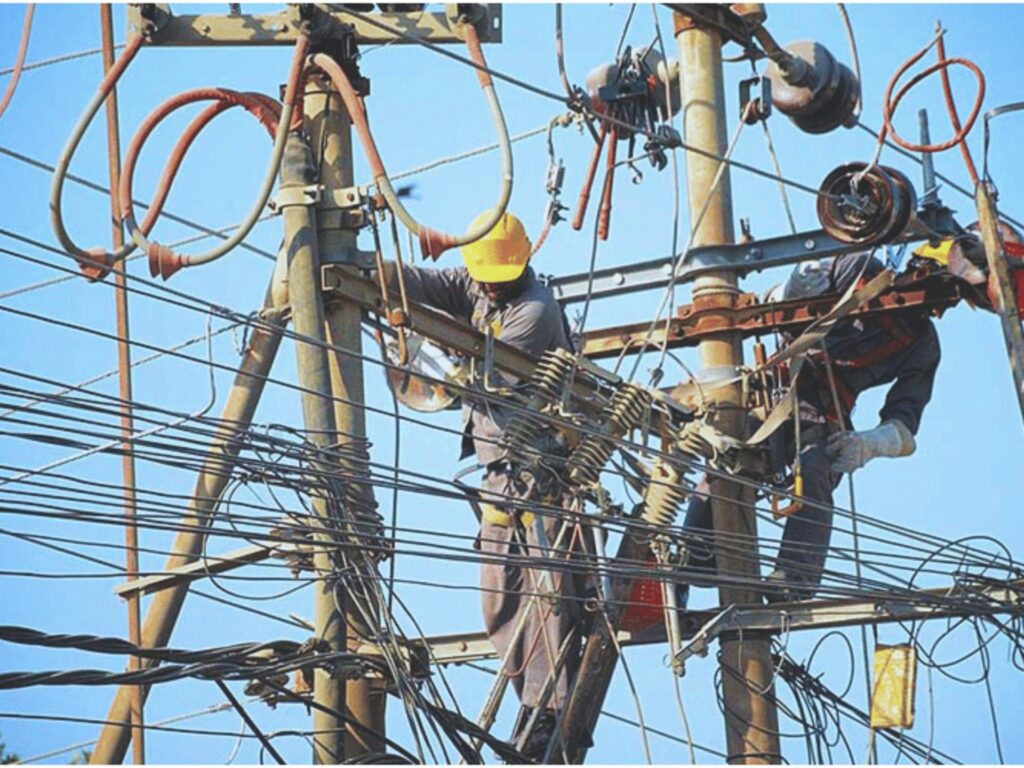
These kinds of changes may be hard to notice until it’s too late. Line sag, low clearance above roadways, or slight cracks in insulators can turn into real threats fast. The bigger the service area, the easier it is to miss these warning signs.
Crews already juggling equipment and timelines often feel pressure to get through inspections quickly. That’s when small errors like missing a step or skipping photo proof become more common. In low-light, high-wind, or snow-covered areas, even the sharpest crews can miss hidden issues.
Staying on top of these risks means being able to identify them before they can create a problem. Sometimes a hazard lurks where it’s hard to see, especially when weather changes quickly or unexpected snowmelt creates new threats.
How Hazard Prevention Tools Catch Problems Early
Hazard prevention tools work best when they get ahead of the problem. That usually means seeing what people can’t.
• Ground-based sensors and structure-mounted devices help track things like line tension, leaning poles, or clearance shifts
• Drones or high-resolution camera scans offer an extra view of damage that isn’t visible from the ground
• Alerts connected to mobile devices let workers react to live changes as they move through their day
Instead of waiting for a routine inspection to uncover an issue, these tools help spot it early. Combined with good communication and fast reporting, they create a stronger loop between what’s happening and what needs repair.
Being able to check line tension or map out branch overgrowth from a clear aerial view saves crews steps. It also cuts down risk. Missed hazards are often the ones that hide in plain sight. Giving workers better eyes on the job helps fix that.
Tech like sensors and camera-equipped drones aren’t just for catching the big issues. They also help crews notice gradual changes that can lead to trouble down the line, like a pole leaning a little more each week or a branch that’s inched closer to a live wire.
When tools can talk directly to inspection software, it means those details don’t get lost or written down later when the day gets busy. The info goes right into the system, so whoever checks it next gets the most recent updates. And when those tools work everywhere crews go, even if there isn’t a strong signal, jobs stay moving.
Better Compliance Without Breaking Routine
No one likes adding more to their checklist, but staying compliant matters. When hazard prevention tools are paired with EHS software, the process gets easier without adding extra work.
• Crews can record site risks automatically while completing tasks
• Data updates at the moment of inspection, even if there’s no signal
• Safety prompts and training tie-ins reduce skipped steps or out-of-date practices
That connection helps keep logs accurate and updated, which cuts down the chance of something being missed. Letting software pull data from tools in the field saves time. It saves questions later too.
With everything stored in one place (photos, hazard flags, and risk notes), safety leaders don’t need to chase down paperwork. And field crews don’t have to stop and figure out where or how to report something. It’s already done on the way to the next task.
Up-to-date logs also mean field teams are less likely to miss important updates, especially when compliance rules change. Integrating reporting into everyday routines makes it easier for everyone to keep up, whether they’re seasoned workers or new to the job.
The whole cycle makes it quicker to fix flagged risks. Instead of hesitating because documentation feels overwhelming, crews can keep moving, knowing what’s needed gets saved right away.
Why Integration Matters in High-Risk Industries
Fieldwork in gas, electric, oil, and vegetation management often means shifting between systems. Scheduling lives in one tracker. Safety checks might sit in another. Crew communication could be over text or radio. None of that helps when time is short or the weather’s bad.
Bringing hazard data into one single place helps in three big ways:
• It makes schedules, safety checks, and emergency info easier to follow
• It removes confusion when teams are moving through large geographies
• It reduces siloed records so decisions happen faster, with better data
When hazard prevention tools feed into EHS software, it means supervisors, trainers, and crews are all looking at the same details. No one has to guess about who saw what or when it was flagged.
Integration helps bring order to chaos. And when conditions change (an upcoming storm, a broken pole, a missed vegetation zone), everyone can adjust with less stress.
Teams that use connected tools are able to spend less time searching for updates or tracking down past reports. Instead, information is available at a glance, helping people act in the moment and plan smarter for the next step.
When every part of the process is connected, from hazard sensors to inspection schedules, it means nothing falls through the cracks. Whether a job takes a week or just a few hours, everyone can see what’s done, what’s due next, and what needs special attention.
Keeping Safety Ahead of the Climb
Power line work never really slows down. But heading into early spring, everything starts to speed up. Trees leaf out. Load changes. Site access may improve, but the mix of high water and warmer temps brings a fresh set of risks.
That’s when having tools that follow the movement of your crews matters most. A smart inspection tool isn’t just one part of the job; it’s built into the way the job flows.
• Hazard tools that link to software give a better shot at finding risk early
• Safety flags pop up faster, so crews can act without needing a bunch of calls or signoffs
• Being tied into a shared system helps companies stay up to date with training and rules
Working safe around power lines will always take sharp people and good judgment. But when our tools are tuned to what crews deal with every day, it gets easier to meet risks head-on instead of hunting them down after the fact.
As projects grow and fieldwork covers even more ground, the need for up-to-date safety checks continues to grow too. Crews that have up-to-date hazard info and reliable alerts stay better prepared, even when the weather is rough or shifts suddenly. The right inspection tool can become the routine, not just an extra step, which lets teams focus on the work without getting stuck on paperwork.
The more we connect data, fieldwork, and alerts into one system, the more we protect workers, timelines, and the work they’re out there doing.
Safer crews start with smarter tools, and that begins with tech that works with you, not just around you. When weather shifts fast and jobs stretch across miles of terrain, every second counts. Bringing inspections, alerts, and job tracking under one roof gives crews a clearer view of what’s ahead. That’s why we designed our EHS software to help spot hidden dangers, speed up reports, and keep everyone aligned without extra steps. Let’s talk about how Field1st can help simplify your safety process.