Fast and effective response in emergency situations can make all the difference in keeping people safe and minimizing damage. Many industries, especially those dealing with utilities like gas and electricity, face challenges that demand quick action. Real-time hazard alert systems act as a pivotal tool in these scenarios, drastically cutting down the time it takes to react when something goes wrong. This technology isn’t just a nice-to-have; for many, it’s a lifesaver.
Consider scenarios where hazardous conditions develop without warning—a gas leak, a fallen power line, or a blocked pipe. Traditional methods of alerting and responding to these situations often involve manual checks and delayed communications. However, with real-time hazard alert systems, instant alerts help teams respond swiftly, reducing potential risks and damages. This means not only quicker fixes but also safer environments for both workers and the general public.
Understanding Real-Time Hazard Alert Systems
So, what exactly is a real-time hazard alert system? At its core, this system is designed to detect and notify about potential hazards as soon as they occur. It uses cutting-edge technologies like artificial intelligence and real-time data integration to identify threats instantly, ensuring that the right people receive the correct information at the right time.
– Key features of real-time hazard alert systems:
– AI-driven analysis to predict and monitor hazards
– Continuous data flow for up-to-date information
– Alerts sent directly to mobile devices or control centers
– Adaptability to different types of hazards across various industries
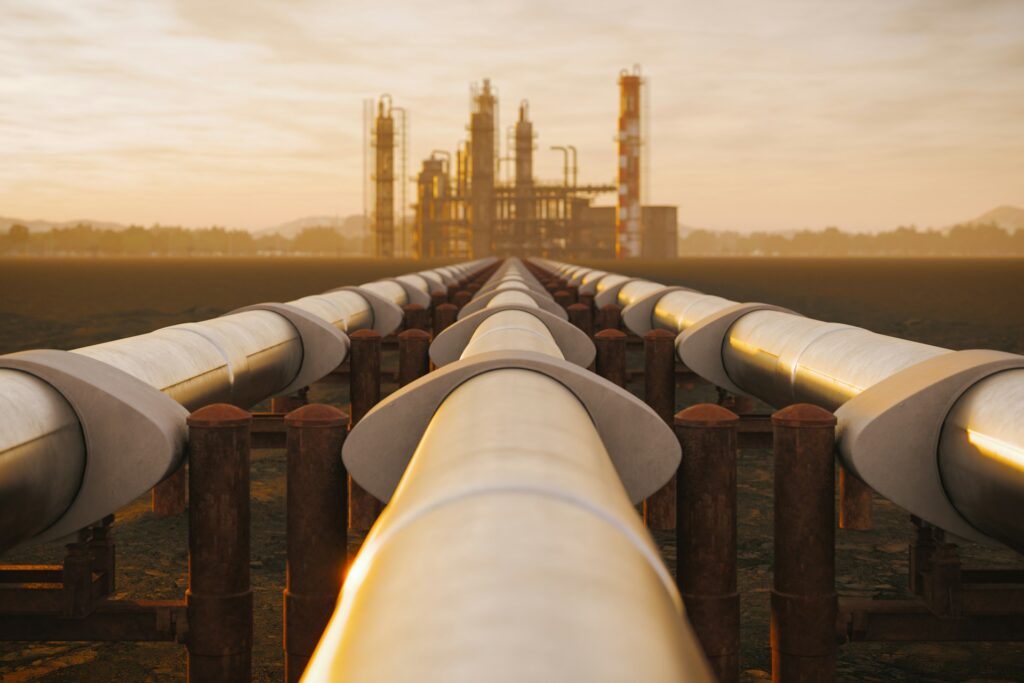
For instance, imagine a utility company using AI to monitor their pipeline network. The system constantly analyzes data patterns, identifying any abnormalities in pressure or flow. Once detected, an alert is sent, allowing technicians to take immediate action, potentially preventing a major incident.
Benefits of Real-Time Hazard Alert Systems
The benefits of these systems go beyond just quick alerts. They offer a multitude of advantages that contribute to overall safety and efficiency:
1. Faster Emergency Response: By receiving real-time data, response teams can act quickly and precisely, minimizing potential hazards.
2. Enhanced Safety Levels: Workers and the public are better protected when issues are identified before they escalate.
3. Cost Savings: Quick identification and resolution reduce operational downtime and prevent costly repairs.
4. Resource Optimization: Teams can allocate resources more effectively, responding only where needed and avoiding redundant checks.
Such systems are instrumental in transforming how industries handle emergencies. They ensure that when a threat arises, reaction times are minimized, making workplaces safer and more secure.
Real-World Applications of Real-Time Hazard Alert Systems
Real-time hazard alert systems are making significant strides across different sectors. In the gas utility industry, these systems monitor pipelines around the clock. If they detect any irregularities, immediate alerts are dispatched to field teams, enabling quick action. This reduces the chances of leaks or other critical issues that could pose serious risks to safety and infrastructure.
Power companies find real-time alerts beneficial as well. With overhead lines often susceptible to falling trees or adverse weather conditions, prompt notifications trigger timely responses. This prevents prolonged power outages and minimizes hazards to workers repairing the lines. By using these systems, companies ensure a more reliable and secure supply of electricity.
The oil and gas sector, with its complex operations, also reaps the benefits of instant alerts. Consider drilling operations where the environment can change rapidly and pose risks. Deploying real-time systems helps in spotting potential dangers immediately, preventing accidents and safeguarding workers and equipment. A standout example involves offshore rigs where environmental monitoring is crucial. Alerts delivered in real time ensure any emerging risks are managed before they escalate.
Field1st’s Role in Enhancing Hazard Alert Systems
In a fast-paced world where prompt responses make a difference, integrating advanced solutions takes hazard alerts to the next level. With initiatives focused on AI-driven platforms, companies can further streamline safety protocols. These platforms work seamlessly with existing systems, analyzing data continuously and enhancing the precision and effectiveness of alerts.
Moreover, implementing versatile solutions contributes to creating a cohesive safety strategy. Companies can monitor diverse hazards from one centralized system without juggling multiple technologies. This streamlined approach makes managing safety more efficient. With better data insights, businesses make informed decisions, ensuring both compliance and well-being for all.
The Future of Emergency Response with AI
Exciting times lie ahead as AI redefines how emergencies are handled. As technology evolves, it promises to make response strategies even more efficient. AI not only facilitates quicker reactions but also predicts risks, ensuring preemptive actions can be taken. The potential to identify patterns and foresee problems opens new frontiers in safety management.
Encouragement for adopting these advanced technologies remains strong. Businesses embracing AI find themselves at the forefront of innovation, ready to tackle risks in smarter ways. The reassurance that systems are in place to manage unforeseen hazards boosts confidence for both workers and management. By leveraging AI, companies position themselves for a safer future with fewer disruptions and enhanced safety cultures.
Transform Your Emergency Response Now
Moving forward with real-time hazard alert systems transforms how emergencies are managed. The advantages extend beyond speed, encompassing comprehensive safety and efficiency. With every alert that leads to a rapid response, workplaces become safer, reducing the toll that serious incidents might otherwise exact.
For those ready to take the next step in ensuring safety, exploring the potential of advanced solutions offers a promising path. The capability to transform response strategies through technology leads to a more secure work environment, safeguarding assets and lives alike.
If you’re aiming to strengthen emergency protocols across your utility operations, upgrading to a streamlined real-time hazard alert system can make all the difference. Field1st offers advanced tools designed to reduce delays, improve communication, and protect both crews and infrastructure when every second counts. See how technology can enhance your safety approach while supporting long-term compliance and peace of mind.