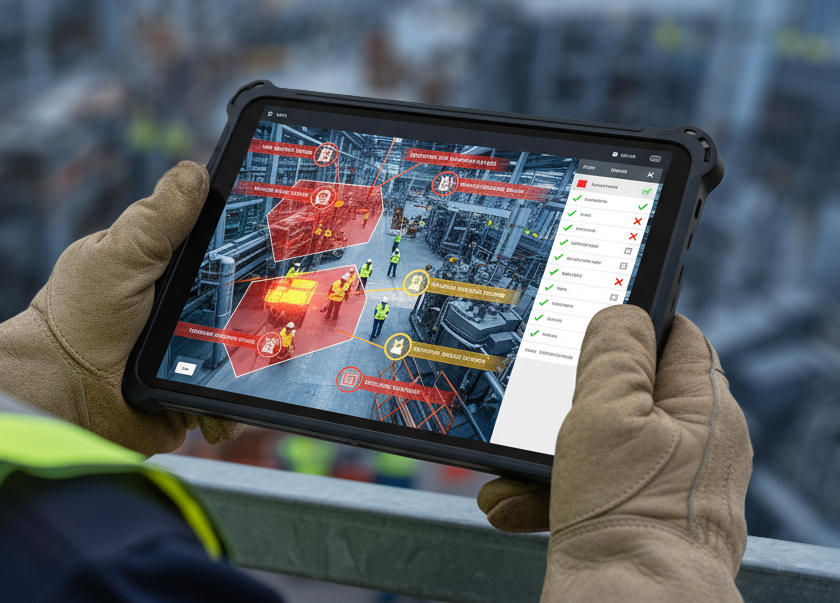
Have you ever thought about how all those far-off job sites stay safe? When working remotely, keeping an eye on everything can be tricky. This is where workplace safety data monitoring tools come into play, acting like a trusty pair of binoculars that let you spot and solve issues before they become real problems. They help identify potential hazards and ensure that safety measures are being followed correctly, even when no one is immediately on site to check. The result? Teams can work with the peace of mind that comes from knowing they are being looked after, no matter where they are.
Now, let’s think about some common challenges faced by industries that operate remotely. Gas utilities, electric companies, oil fields, and vegetation management often deal with sites that are miles apart from each other and from the nearest manager. Visibility into these operations can be limited; team leads might not always know what’s happening on the ground. Safety data monitoring tools step up by offering detailed insights that make remote locations as transparent as on-site operations. These tools don’t just save time; they set higher standards for workplace safety by providing a bird’s eye view of all remote activities.
Understanding Visibility Issues in Remote Operations
Running operations in remote or hard-to-reach places can present serious visibility challenges. Imagine a gas utility company with pipelines spread over miles of countryside. Workers come and go, maintenance is ongoing, but the leaders are often far removed from the action. What if there’s a potential hazard that isn’t caught in time? The more remote the site, the higher the risk.
Here are some key visibility challenges:
– Distance: Long distances between sites and headquarters can delay communication and decision-making.
– Limited On-Site Management: Few managers on the ground means issues might not be recorded immediately.
– Unpredictable Conditions: Weather or environmental factors can change conditions quickly and unexpectedly.
These challenges directly impact the ability to maintain safe operations. Without real-time insights, companies can struggle with delayed responses to incidents, which could escalate potentially dangerous situations. Take, for instance, a scenario where an electric utility faces a sudden power line issue due to stormy weather. Without visibility through data monitoring tools, workers might not get the information they need to take corrective action fast enough.
Safety data monitoring tools address these challenges by constantly providing updates and alerts. By making it easier for workers to report what’s happening, these tools keep everyone informed and enable quick, informed decisions to keep sites as safe as possible.
How Workplace Safety Data Monitoring Tools Work
These tools primarily operate by collecting and analyzing data from various sites. They utilize technology to keep track of everything happening on the ground. Data collection occurs through sensors, cameras, and sometimes manual reporting by workers using mobile apps. Once this data is gathered, the system processes it to give real-time insights that help in making quick safety decisions. This process enables managers to understand what’s happening at each location instantly.
Real-time monitoring plays a significant part here. By offering up-to-date reports, these tools ensure that any safety concerns are identified and addressed immediately. For instance, if a sensor detects a gas leak in a utility field, the system promptly alerts the crew, allowing them to take action before things worsen. This kind of real-time insight ensures that remote operations don’t lag in response to potential hazards. The essence of these monitoring tools is in their ability to process data swiftly and channel it into actionable guidance for remote teams. This sets the foundation for maintaining a safer working environment irrespective of location.
Benefits of Automated Compliance Monitoring
Automated compliance monitoring brings a host of advantages to the table. It does much more than just keep tabs on safety protocols. Here are a few benefits that standout:
– Consistency: Automated systems ensure that safety checks are consistent across all sites, removing any chance of human oversight.
– Efficiency: By streamlining data gathering and analysis, these tools cut down on the manual work required, allowing teams to focus on more critical tasks.
– Improved Decision Making: Continuous insights allow for informed decisions that can help avoid accidents and disruptions.
Industries like gas utilities and oil fields stand to gain immensely from these systems. With operations spread across vast expanses, direct oversight is challenging, and automated monitoring can significantly enhance compliance. By creating a virtual safety net, these tools help manage everything from minor incidents to significant compliance requirements, making them indispensable in high-risk environments.
Implementing Safety Data Monitoring Tools
Bringing these tools into your operations isn’t just about technology—it’s about preparation and strategy. Here’s a simple roadmap to successful implementation:
1. Assessment: Start by evaluating your current safety protocols and identify areas where monitoring tools can make a difference.
2. Integration: Work to ensure these tools mesh well with existing systems. This step is crucial to avoid operational disruptions.
3. Training: Equip your team with the knowledge needed to use these tools effectively. Training ensures that everyone knows how to respond to the data presented to them.
4. Maintenance: Just like any tech, these systems need regular check-ups to keep them running smoothly.
Maximizing tool effectiveness involves consistent monitoring and updates. Encourage feedback from users to make sure the system is working as intended and uncover any areas for improvement.
Enhancing Remote Operations with Field1st
For businesses tackling visibility challenges in remote operations, looking at solutions that focus on proactive safety management is key. Embracing technology that supports real-time insights and prioritizes automated monitoring can transform safety measures from reactive to proactive. By adopting these strategies, companies can increase safety measures and keep operations running smoothly and safely no matter how remote the location.
Effective management of remote work environments involves not just responding to issues but staying one step ahead with predictive insights. This approach not only safeguards lives but also promotes a culture of safety that resonates throughout the company. In today’s fast-paced world, it’s these forward-thinking strategies that set the stage for a safer, more efficient future in the utility and oil and gas industries.
To truly enhance your safety practices and keep your operations running smoothly, consider leveraging automated compliance monitoring to its full potential. With Field1st, you can integrate smarter systems that help maintain consistent safety standards while also simplifying how you manage inspections and follow-ups.