
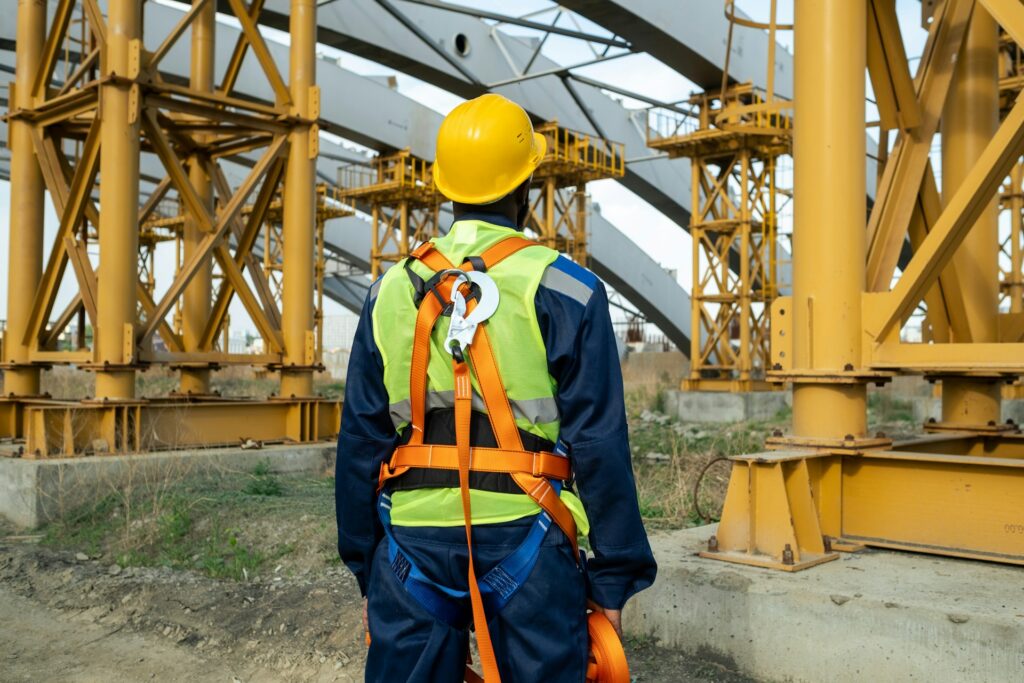
Utility crews face tough conditions year-round, but the stretch from late winter into early spring brings its own challenges. Ground thawing, shifting weather, and lingering snow or ice can cause job site hazards to appear with little warning. Teams need to stay alert during these seasonal shifts since problems can show up fast and make a tough job even harder.
That’s where a real-time safety app becomes valuable. It helps crews track and respond to new dangers without stopping work. As soon as something happens, it gets logged, and the right people see it. Less time spent chasing paperwork means more focus on fixing problems. By using field safety incident tracking, we turn site-level updates into better decisions, faster repairs, and stronger compliance. This kind of support helps us keep pace with the weather and keep our people protected.
Smarter Field Communication Under Pressure
Some of the biggest risks on a job site come when things change suddenly. Rain turns access roads muddy. Ice makes equipment unstable. A warm day might hide frozen ground underneath, leading to slips or machinery shifts. During moments like these, we need to communicate clearly and quickly.
- A location-aware safety app helps crews stay informed about what’s happening around them, even if the risk is new or developing.
- Automatic updates make sure supervisors know what crews are facing, even if they’re miles away. We don’t have to wait for someone to call or report back.
- By letting workers post updates directly from the field, we avoid delays and prevent other teams from walking into the same hidden hazard.
Small issues can snowball if people don’t know they’re there. Real-time communication keeps those surprises to a minimum. When technology streamlines this flow of information, it leaves less room for confusion and missed warning signs. Quick, accessible communication can make the whole team feel more confident, especially when weather and ground conditions change quickly and unexpectedly.
Field Safety Incident Tracking in Real Time
When something goes wrong on-site, it needs to be documented right away. That’s not always easy when people are busy, tired, or isolated. But missing the chance to log an issue can mean missing patterns that point to deeper risks.
- With real-time incident tracking, crews can quickly note what happened, where, and what they see, right on the spot.
- This helps flag problems in areas that keep causing trouble. Repeated equipment failures, slippery walkways, or lighting issues show up faster.
- When data flows in right away, supervisors get what they need to make quicker calls and update safety plans. It’s not just paperwork, it’s practical support.
Real-time records give safety managers a constant source of truth. Immediate tracking means no one is left guessing about the timing and cause of incidents. The more complete the data, the easier it becomes to spot weak points or hazards that would otherwise slip by. Over time, all this information adds up, creating a steady, growing picture of site safety that actually helps teams work smarter.
The clearer the picture we get from incident reports, the more we can do to stop the next one before it starts. For crews in the field, this also helps everyone feel seen and supported, instead of feeling like their concerns vanish the second they leave the job site. Instant updates show respect for every team member’s focus on safety.
Easier Reporting That Supports Compliance
Regulations don’t wait for better weather. Audits, safety checks, and training requirements keep moving. If we fall behind on documentation, it puts compliance at risk and slows down jobs and ties up staff who need to correct missing info.
- Safety apps guide crews through the steps they need to report correctly. They help avoid skipped questions or lost forms.
- Pre-filled information like location, shift time, or team lead details save time and reduce mistakes.
- Digital reports create clear logs that hold up during inspections. If someone needs to review timelines or verify conditions, everything is already organized.
Instead of spending extra hours cleaning up errors or digging through folders, we have a single place where everything’s correct and ready to go. The ease of digital reporting helps every team member get it right the first time and ensures a consistent record for everyone who needs access. Having all field data organized in a single platform makes compliance less stressful. Job leaders and field supervisors can easily follow up if questions come up after a report is submitted. There’s no more second-guessing or searching for documents.
Helping Supervisors Respond Without Delay
When an issue comes in from the field, we can’t afford long delays. Workplace risks don’t wait for office hours. With a dashboard that updates as reports are filed, managers can respond sooner and prioritize things as they happen.
- A live safety feed shows where incidents are popping up, who’s at risk, and what kind of support is needed.
- Alerts based on direct field input send signals about urgent conditions, shifting priorities fast.
- Even low-level reports, like a blocked walkway or mild equipment glitch, help us catch problems before they grow. It’s a long-term way to keep safety strong every day, not just after big incidents.
Getting that level of awareness across all job sites helps us act faster and take smarter next steps. The ability to see what is happening as it unfolds gives supervisors peace of mind. They know the crew’s updates aren’t getting buried or delayed. If a pattern of minor issues starts to appear, it’s visible early enough to address before bigger problems develop. Quick access to incident information lets supervisors match resources and support to the places where they’re needed most, even as conditions shift.
Fewer Risks, Better Decisions All Season Long
Each time the seasons shift, so do the hazards. Late-winter inspections can miss soft ground or slow-draining water. Early spring jobs may bring hidden potholes or snow melt turning into unsteady muddy patches. Crews need tools that adapt as quickly as the weather does.
- Digital apps that support field safety incident tracking give us real-time data when we need it most, before hazards turn into injuries or outages.
- Smooth, quick reporting changes the focus from playing catch-up to staying ahead.
- It’s not about putting more pressure on teams with more rules. It’s about making it easier for them to work smart, avoid setbacks, and stay safe together.
Field leaders can review trends and adjust schedules or approach before the season changes again. Real-time data removes the guesswork. When all the day’s risks, small and large, are tracked simply and quickly, there’s less stress and fewer surprises. This approach helps the whole utility company plan ahead, not just react. Everyone gets the details they need to stay ready when spring weather and workload both start to ramp up.
With better visibility across the full season, we make faster choices, stop repeat problems, and keep our crews running strong through every change. Easy communication and real-time reporting give everyone confidence that nothing is being missed and that action is always possible before things escalate.
At Field1st, we believe strong safety practices begin with clear visibility across your job sites. When our teams can log issues instantly and track patterns over time, we’re able to make better decisions before conditions become more challenging. That’s why we rely on tools built around real-time awareness and easy reporting. To discover how we use field safety incident tracking to drive safer, smarter job sites all season long, contact us today.


