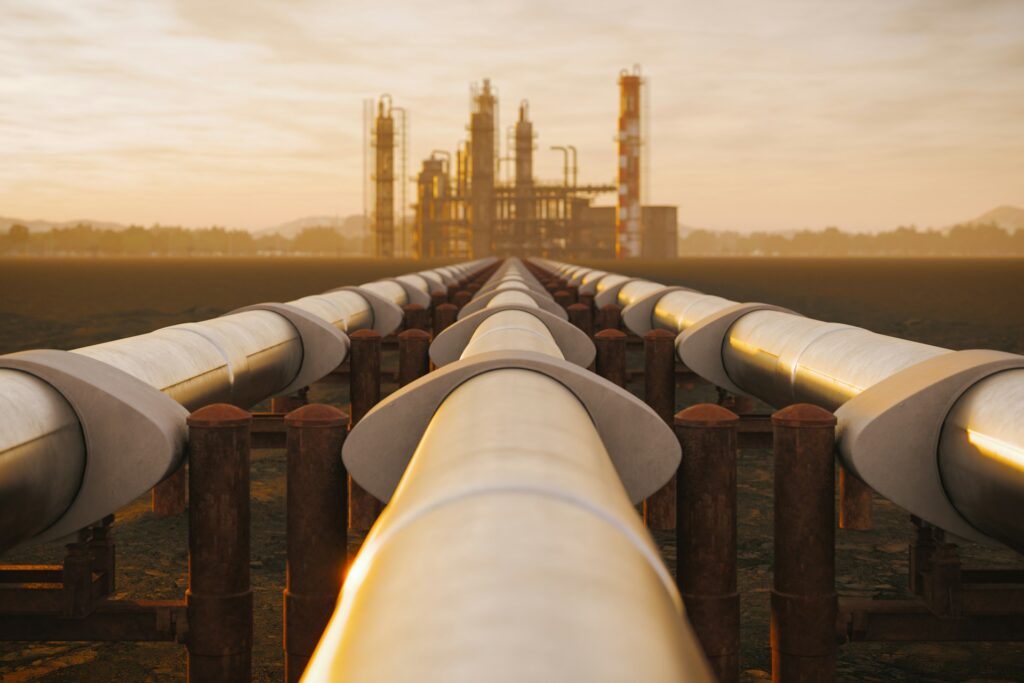
Winter poses a unique set of challenges for gas utility operations. Icy roads, freezing temperatures, and unpredictable weather conditions increase the risk of accidents and disrupt daily activities. These factors make safe operations more complicated, requiring a combination of skill, strategy, and technology. Gas utilities face the task of maintaining safety while ensuring service continuity, which can become even harder as winter weather intensifies.
Predictive AI offers a fresh approach to managing these seasonal challenges. With its ability to predict risks and offer real-time solutions, AI-driven tools are becoming essential partners for utility providers during winter. By assessing patterns and potential hazards before they escalate, predictive AI helps in minimizing incidents and enhancing response strategies. The use of advanced AI technology in gas utilities is no longer just a possibility; it’s becoming a necessary part of keeping operations safe and efficient during the cold months.
Understanding the Risks in Winter Operations
Winter brings a host of hazards that can interfere with the smooth functioning of gas utilities. Snowstorms can block access to critical infrastructure, while ice can damage pipes and lead to hazardous leaks. The freezing temperatures make it difficult for workers to perform outdoor tasks safely and efficiently. These and other factors make winter operations a tricky endeavor.
Some common issues include:
– Frozen Equipment: Cold weather can impact the efficiency of machinery and pipelines, leading to performance drops and potential failures.
– Slippery Conditions: Icy surfaces increase the likelihood of slips, falls, and vehicular accidents, posing risks to both personnel and equipment.
– Access Challenges: Snow and ice can obstruct roadways, complicating the movement of service crews and emergency responders.
Extreme weather not only disrupts operations but can also heighten the danger to workers and the public. Moreover, the demand for gas often spikes during winter, placing additional pressure on utilities to perform under challenging conditions. Knowing these risks enables better planning and adoption of technologies that can provide solutions, ensuring that gas utilities can operate safely and effectively throughout the season.
How Predictive AI Enhances Safety
Predictive AI is a game changer in the field of gas utility management, especially during winter months. By using advanced data analytics and machine learning, AI systems can forecast potential issues, allowing utilities to address them before they become real problems. This proactive approach not only improves safety but also ensures smoother operations.
Here’s how AI enhances safety:
– Identifying Potential Hazards: By analyzing weather data, equipment usage, and historical records, AI can pinpoint risk factors and predict where and when an incident might occur.
– Optimizing Resource Allocation: AI helps prioritize the deployment of resources, ensuring that critical areas are addressed promptly.
– Enhancing Decision-Making: With AI insights, utilities can make informed decisions about maintenance schedules, emergency responses, and more.
Using predictive AI, gas utilities can see the big picture and prepare for what lies ahead, rather than just reacting to problems as they arise. This means fewer disruptions, less downtime, and most importantly, a safe working environment for everyone involved.
Case Study: Real-World Applications
Picture a scenario where a sudden shift in weather conditions catches a gas utility unprepared. Previously, minor faults or delays could escalate quickly into major safety concerns. Now, with AI predictive tools in place, these challenges are less daunting. Imagine a utility company that used predictive AI to avert a crisis: prior to a storm, the AI identified a weak segment in the pipeline network. Armed with this insight, technicians reinforced the area before the storm hit, preventing potential outages and ensuring continuous service. This real-world example highlights how valuable AI-driven foresight can be for utilities facing winter’s unpredictabilities.
These solutions are highly adaptable. For example, predictive software can integrate with existing systems, tailoring alerts to specific regional challenges, like snow accumulations or cold snaps. This customization makes AI tools even more effective, adapting to the unique settings of different utility operations. Tailoring responses to these specific conditions ensures resources are used efficiently and effectively, reinforcing the network where it’s needed the most.
Preparing for Winter with Predictive AI
Getting ready for winter means more than just winterizing equipment. It involves adopting predictive technologies to secure operations against seasonal hazards. For utilities venturing into AI integration, here are some steps to consider:
1. Evaluate Current Infrastructure: Start by assessing the current systems in place. Understanding where AI can seamlessly integrate ensures that its benefits are maximized.
2. Implement Training Programs: Equip teams with the skills to operate new AI tools effectively. Ongoing training can help them understand how to interpret data predictions and apply these insights practically.
3. Set Up Real-Time Monitoring: With predictive AI, utilities can establish real-time monitoring systems that offer instant alerts as conditions change.
4. Develop Response Protocols: Create clear protocols for dealing with each type of predicted incident. This ensures quick, coordinated responses that minimize disruption.
By following these steps, gas utilities can transition smoothly into advanced risk management, staying prepared for whatever weather winter may bring.
Embracing AI for Winter Safety Management
Predictive AI stands as a powerful ally in utility management, offering a smart way to foresee and mitigate risks. Seasonal challenges like extreme cold or sudden storms demand forward-thinking strategies. AI technology, with its capacity to analyze and forecast, provides just that—delivering critical insights that can save on costs and, more importantly, ensure safety.
Embracing AI isn’t just about keeping up with technological advancements. It’s about embracing a culture of safety and efficiency, paving the way for utilities to operate seamlessly, even in the harshest conditions. As AI continues to evolve, its role in safeguarding utility operations grows increasingly vital, ensuring that wintertime does not have to mean more risk or danger. Adopting these technologies enables gas utilities not only to maintain but also to enhance the safety and reliability that consumers trust.
As gas utilities navigate the challenges of winter, having tools that can predict and manage risks becomes invaluable. To ensure your operations stay smooth and safe during the cold months, consider integrating safety risk prediction software into your systems. Field1st provides a comprehensive approach with advanced solutions for added protection and peace of mind.