Skip to content

Forecasting Workplace Hazards

Use Case:

Forecasting Workplace Hazards

Use Case: How AI Predicted a Workplace Hazard Before It Happened

A major construction project in Florida. A safety manager noticed an increase in injuries at the start of shifts but had no system to predict future risks.

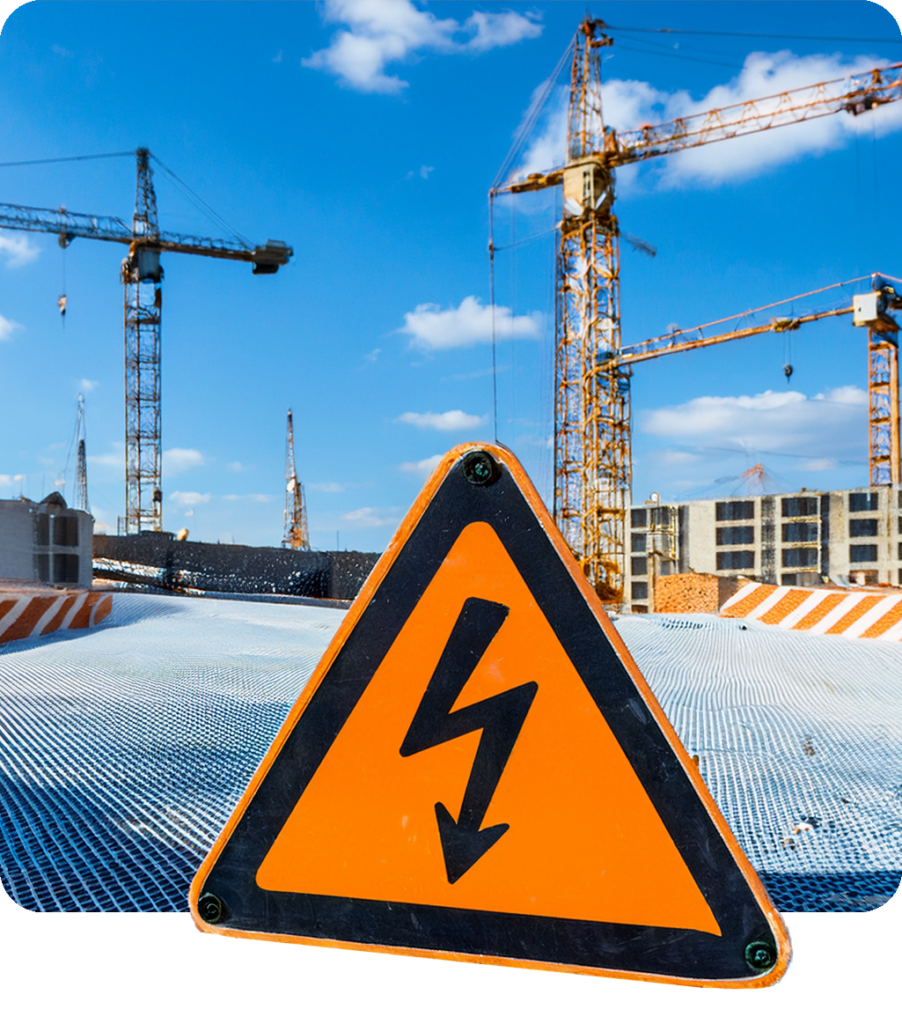
Electrical hazard sign on a high up construction site with cranes in the background.

Challenges

The construction industry faces unpredictable safety risks, where unnoticed patterns can lead to repeated injuries and costly delays. Without proactive hazard forecasting, companies remain vulnerable to workplace accidents, productivity losses, and compliance violations.

The Field1st Approach

Dangerous saw on construction site.

To prevent accidents and violations, Field1st comes to the rescue, not leaving anything to finite human memory and limited attention. Here’s how it helped:

1. Early Detection

Field1st’s AI-driven trend analysis detected a pattern of early-shift incidents.

2. Risk Flagging

A predictive risk report flagged fatigue-related hazards.

3. Actionable Insights

New shift policies were implemented, reducing high-risk tasks in the first hour.

4. Safety Increase

Incident rates dropped by 45% within two months.

Don’t react to incidents—predict and prevent them.

More Use Cases:

Oil & Gas Use Case

A Midwest manufacturing plant. A routine safety inspection uncovered a critical machine failure, but the report was misplaced. Production continued, unaware of the hazard.

Operations Use Case

Safety Intelligence That Drives Operational Efficiency and Predictable Execution Empower field crews and Safety Managers to capture, share, and act on safety insights in real

Safety Manager Use Case

Predictive Safety Intelligence for the Leaders Who See It All Empower Safety Managers to prevent incidents before they start — with real-time insights from every

Industrial Maintenance & Construction Use Case

Your Single Source of Truth for Safe, Verified, and Proven Service Delivery Field1st connects every crew, control, and client in one platform as a unified
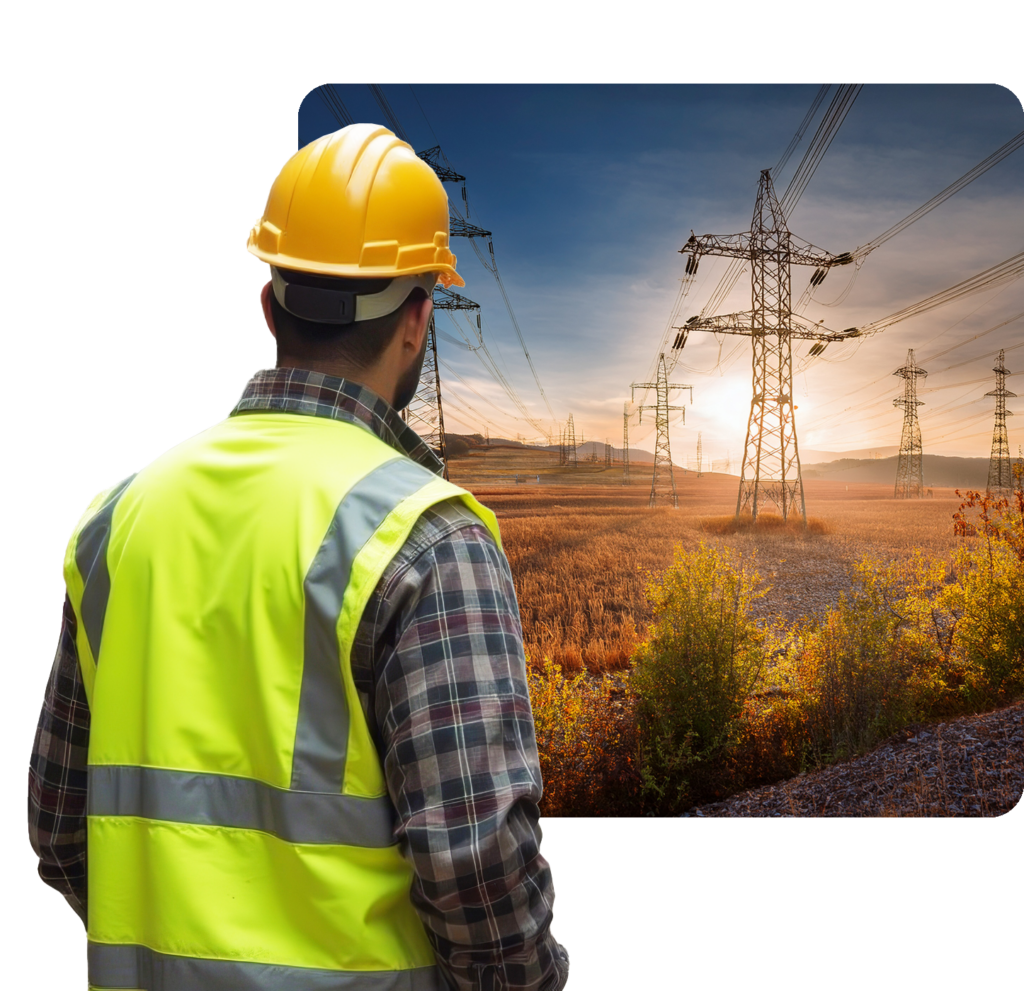
Utilities worker staring out at a whole lot of telephone wire.

Utilities Use Case

A Midwest manufacturing plant. A routine safety inspection uncovered a critical machine failure, but the report was misplaced. Production continued, unaware of the hazard.
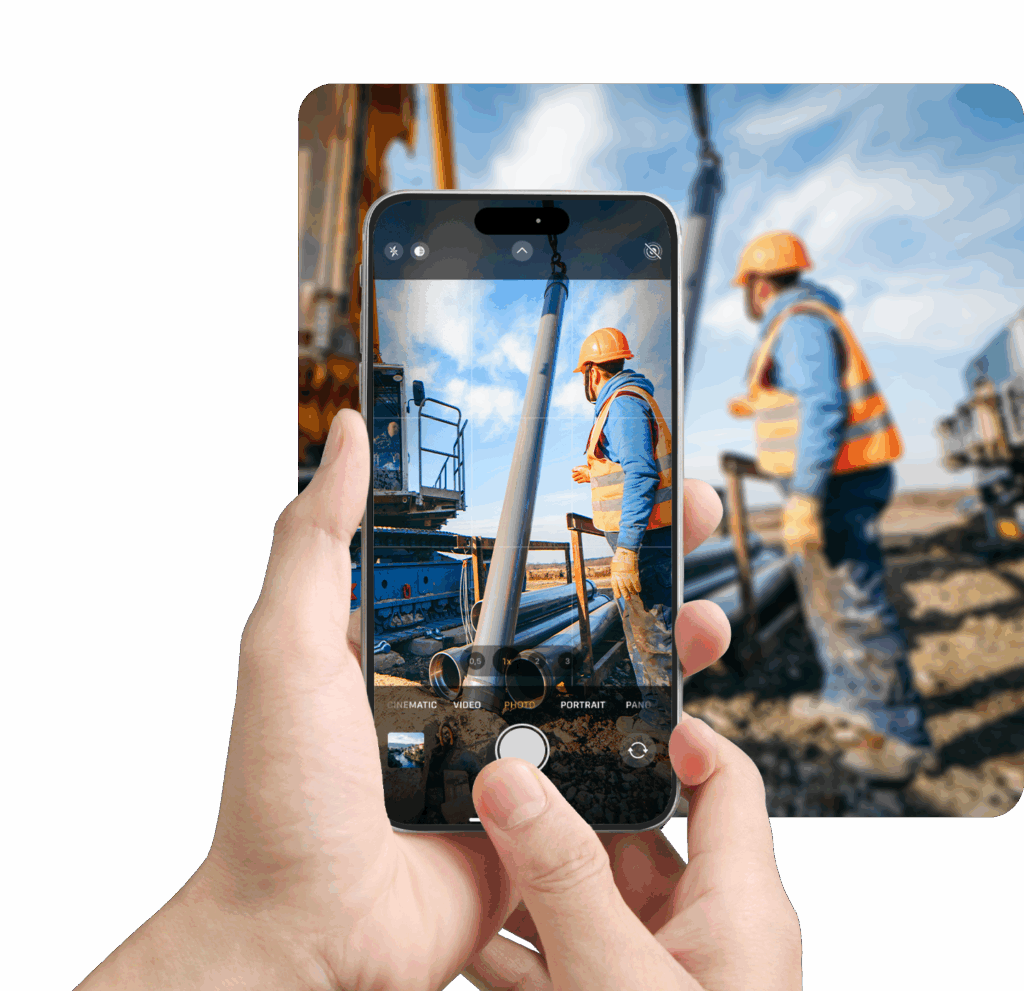
Construction worker conveying a potentially hazardous site with construction safety on his mind.

Construction Use Case

A Midwest manufacturing plant. A routine safety inspection uncovered a critical machine failure, but the report was misplaced. Production continued, unaware of the hazard.

Field Supervisor Use Case

A Midwest manufacturing plant. A routine safety inspection uncovered a critical machine failure, but the report was misplaced. Production continued, unaware of the hazard.
A confident trucker in front of semi trucks on a tablet.

Managing Regulatory Compliance

A logistics company in Chicago. A recent OSHA audit uncovered multiple incomplete training certifications. Workers were on-site, unaware they were out of compliance.
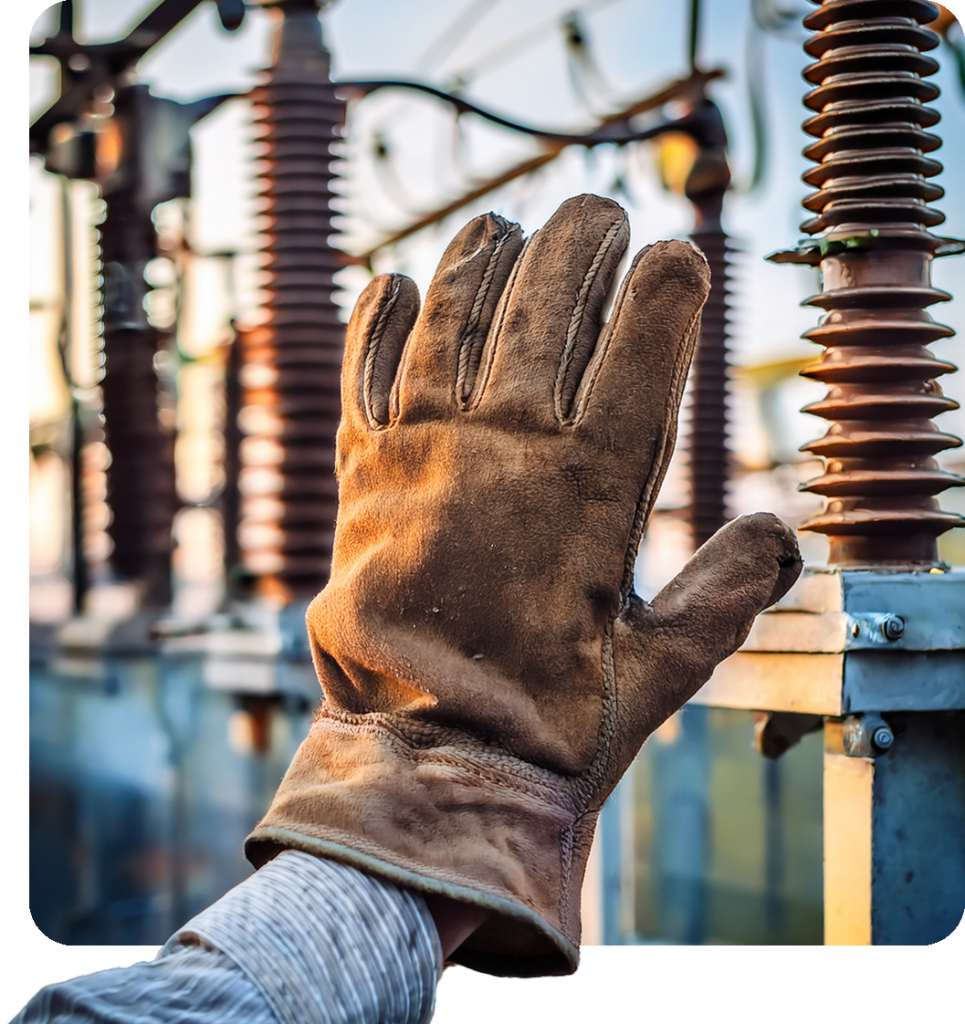
A faulty glove about to touch electricity uh-oh!

Real-Time Incident Alerts

An electrical substation in California. A lineman was installing new equipment when his glove insulation failed upon contact with a live wire.
A clipboard that's been misplaced.

Automating Safety Inspections

A Midwest manufacturing plant. A routine safety inspection uncovered a critical machine failure, but the report was misplaced. Production continued, unaware of the hazard.

Preventing Near Misses

A high-rise construction site in Houston. A contractor was working on scaffolding when a wrench slipped from a worker’s belt, plummeting toward the crew below. The incident was logged as a near miss—but traditional safety tracking only reacts after incidents happen.

Ready to Strengthen Safety Operations?

Join the safety teams making the form disappear. See Field1st in action with a walkthrough built around your crews and your work.

The paperwork can wait.
The hazard can't.