Skip to content

Real-Time Incident Alerts

Use Case:

Real-Time Incident Alerts

Use Case: How Real-Time Alerts Prevented a Major Utility Disaster

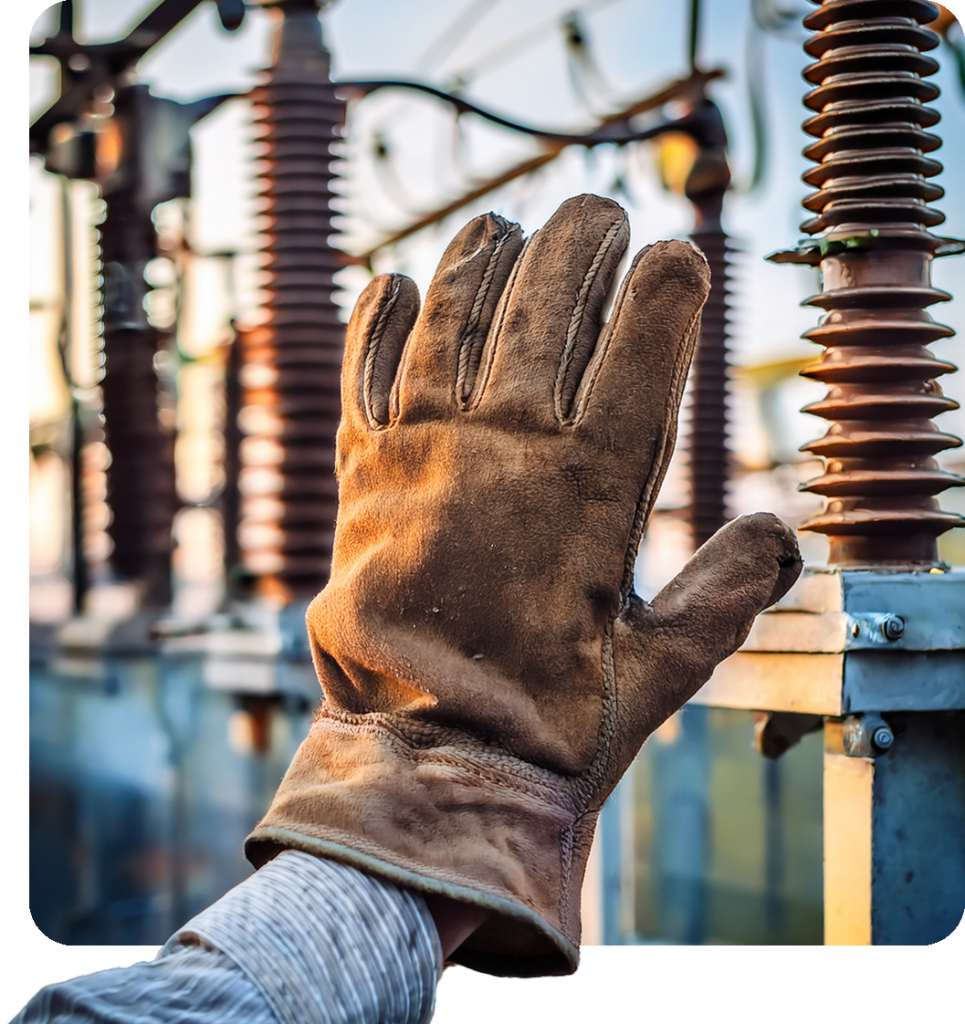
An electrical substation in California. A lineman was installing new equipment when his glove insulation failed upon contact with a live wire.

A faulty glove about to touch electricity uh-oh!

Challenges

The utilities industry faces life-threatening risks from PPE failures and delayed hazard detection, which can lead to serious injuries or fatalities on the job. These failures not only endanger workers but can also result in costly downtime, liability claims, and regulatory penalties.

The Field1st Approach

Power line and sunny blue sky.

To prevent life-threatening and costly risks, Field1st goes to work, correcting dangerous behavior before it turns into disaster. Here’s how it helped:

1. Real-Time Monitoring

Field1st’s wearable safety sensors detected an anomaly in PPE conductivity.

2. Danger Alerts

A real-time AI alert was triggered, warning supervisors of a PPE failure.

3. Immediate Action

The lineman was instructed to stop work immediately before the next contact.

4. Timely Resolution

Upon inspection, his gloves were found to be compromised.

Faster response times save lives. Get instant alerts before incidents turn into disasters.

More Use Cases:

Oil & Gas Use Case

A Midwest manufacturing plant. A routine safety inspection uncovered a critical machine failure, but the report was misplaced. Production continued, unaware of the hazard.

Operations Use Case

Safety Intelligence That Drives Operational Efficiency and Predictable Execution Empower field crews and Safety Managers to capture, share, and act on safety insights in real

Safety Manager Use Case

Predictive Safety Intelligence for the Leaders Who See It All Empower Safety Managers to prevent incidents before they start — with real-time insights from every

Industrial Maintenance & Construction Use Case

Your Single Source of Truth for Safe, Verified, and Proven Service Delivery Field1st connects every crew, control, and client in one platform as a unified
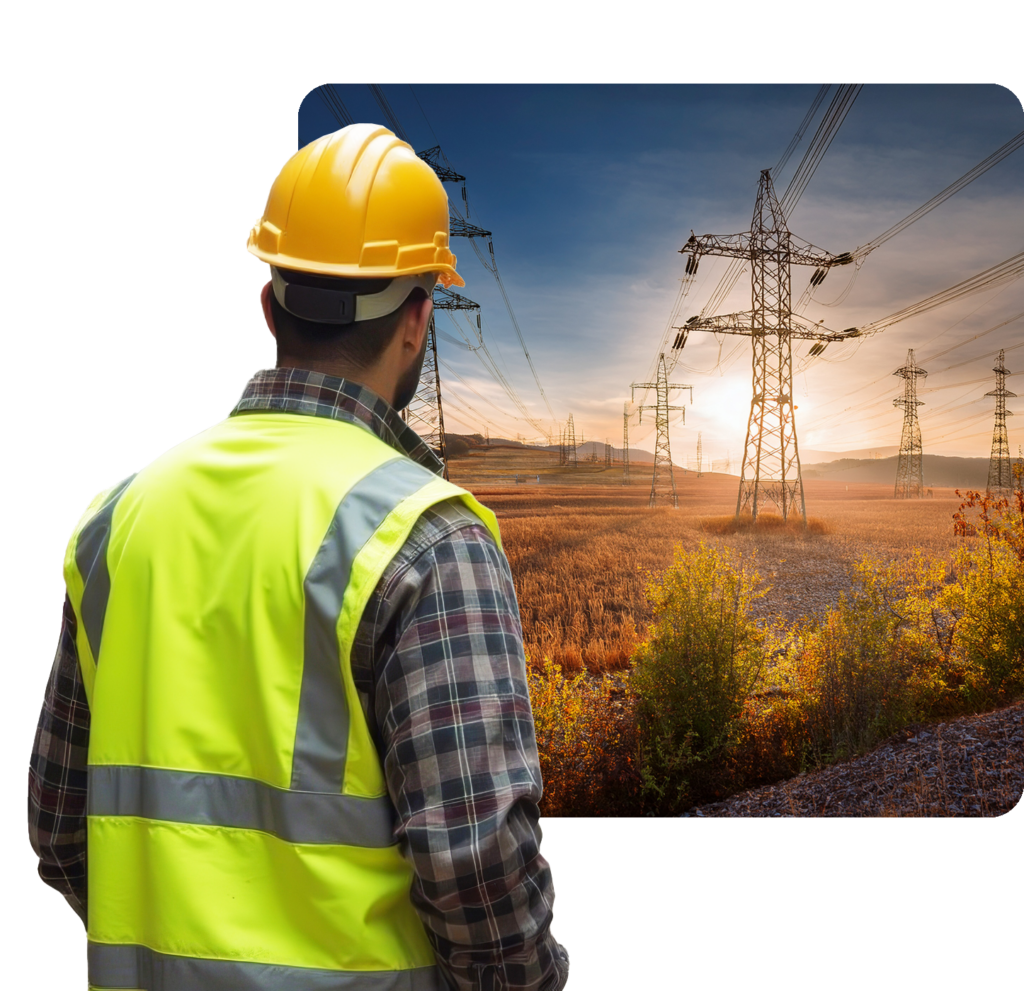
Utilities worker staring out at a whole lot of telephone wire.

Utilities Use Case

A Midwest manufacturing plant. A routine safety inspection uncovered a critical machine failure, but the report was misplaced. Production continued, unaware of the hazard.
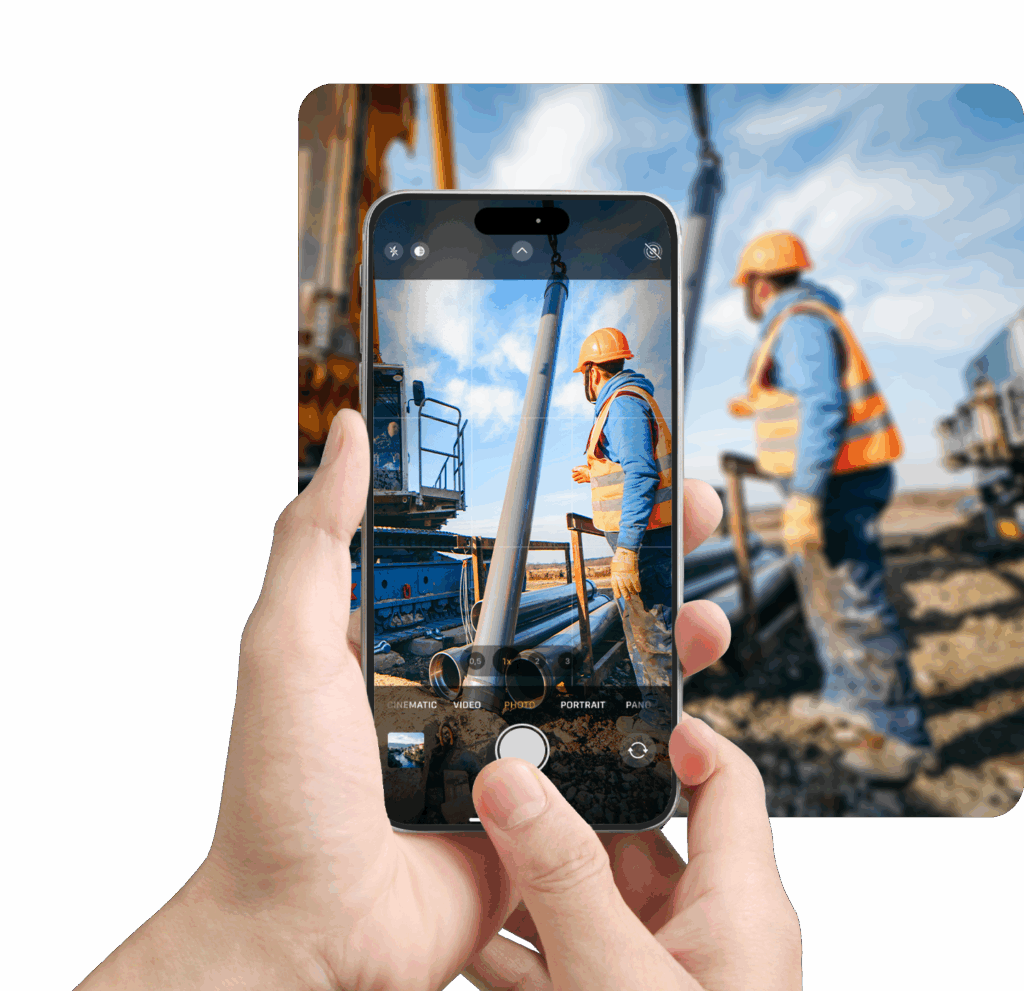
Construction worker conveying a potentially hazardous site with construction safety on his mind.

Construction Use Case

A Midwest manufacturing plant. A routine safety inspection uncovered a critical machine failure, but the report was misplaced. Production continued, unaware of the hazard.

Field Supervisor Use Case

A Midwest manufacturing plant. A routine safety inspection uncovered a critical machine failure, but the report was misplaced. Production continued, unaware of the hazard.
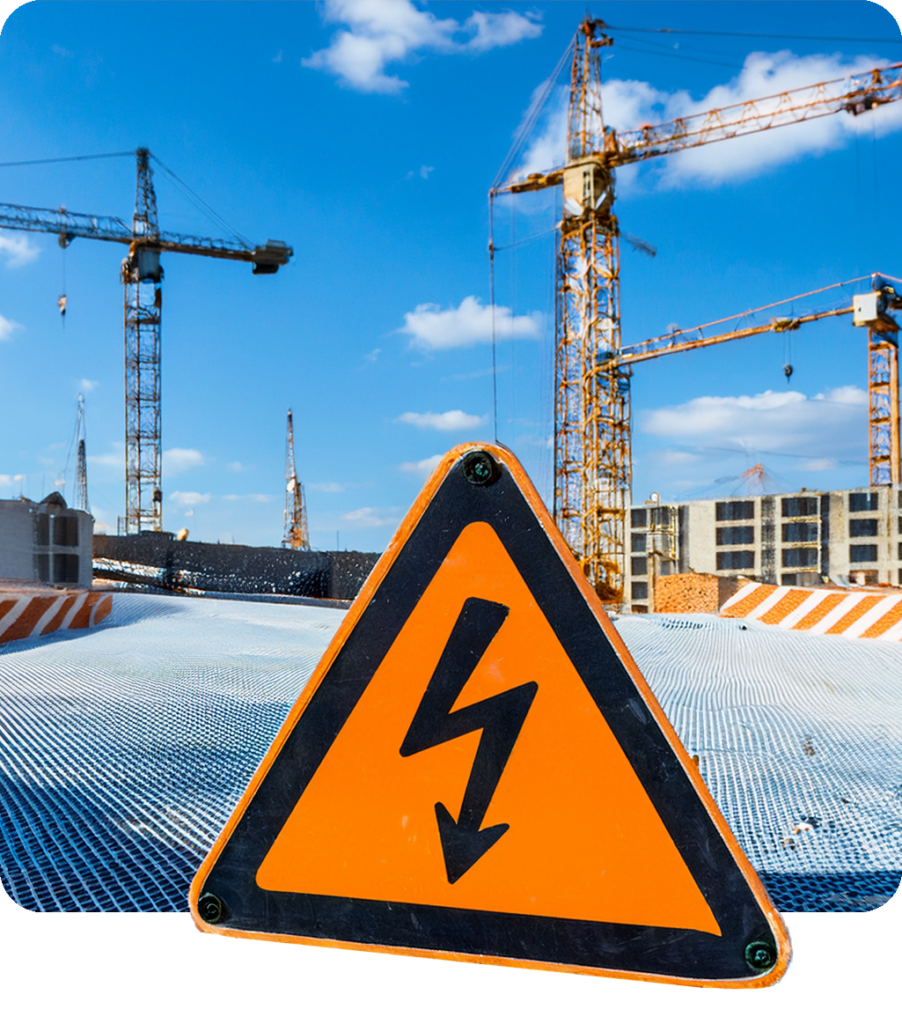
Electrical hazard sign on a high up construction site with cranes in the background.

Forecasting Workplace Hazards

A major construction project in Florida. A safety manager noticed an increase in injuries at the start of shifts but had no system to predict future risks.
A confident trucker in front of semi trucks on a tablet.

Managing Regulatory Compliance

A logistics company in Chicago. A recent OSHA audit uncovered multiple incomplete training certifications. Workers were on-site, unaware they were out of compliance.
A clipboard that's been misplaced.

Automating Safety Inspections

A Midwest manufacturing plant. A routine safety inspection uncovered a critical machine failure, but the report was misplaced. Production continued, unaware of the hazard.

Preventing Near Misses

A high-rise construction site in Houston. A contractor was working on scaffolding when a wrench slipped from a worker’s belt, plummeting toward the crew below. The incident was logged as a near miss—but traditional safety tracking only reacts after incidents happen.

Ready to Strengthen Safety Operations?

Join the safety teams making the form disappear. See Field1st in action with a walkthrough built around your crews and your work.

The paperwork can wait.
The hazard can't.