Spotting electrical hazards before they become major problems is a big deal in utility infrastructure. These hidden dangers lurk in the systems and can put both workers and infrastructure at risk. Untangling where these electrical issues might appear and dealing with them can be quite tricky, given the complexity of the networks involved. It’s essential to have reliable systems in place to protect utility workers and maintain infrastructure integrity. That’s where advanced technology steps in, helping to catch these issues early and keep everything running smoothly.
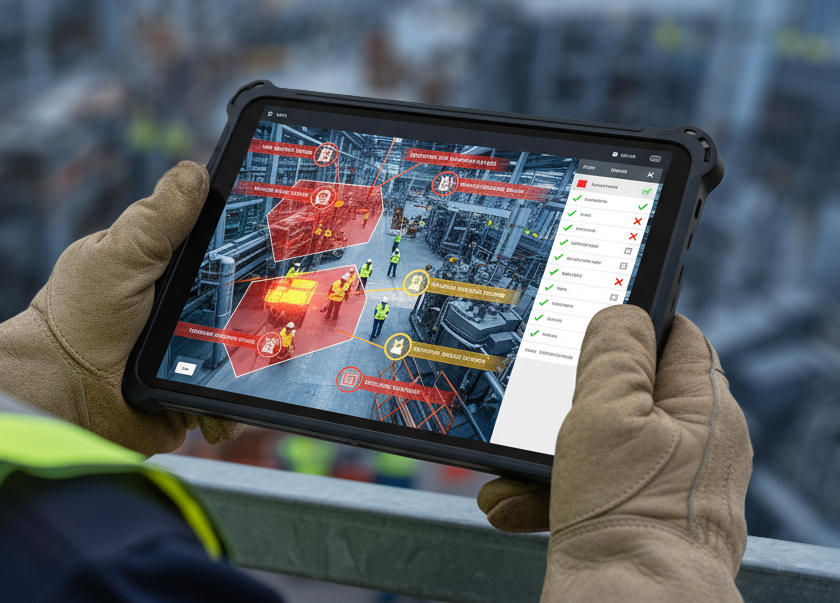
Artificial Intelligence (AI) is revolutionizing the way we detect and manage these threats. By offering precise and proactive monitoring, AI steps up the game in keeping utilities safe. Enhanced EHS (Environmental Health and Safety) Software, equipped with AI capabilities, is now at the forefront, helping predict and pinpoint these silent threats with greater accuracy. This advancement not only improves safety measures but also ensures that safety practices align with industry standards and remain effective over time.
The Complexity of Electrical Hazards in Utility Infrastructure
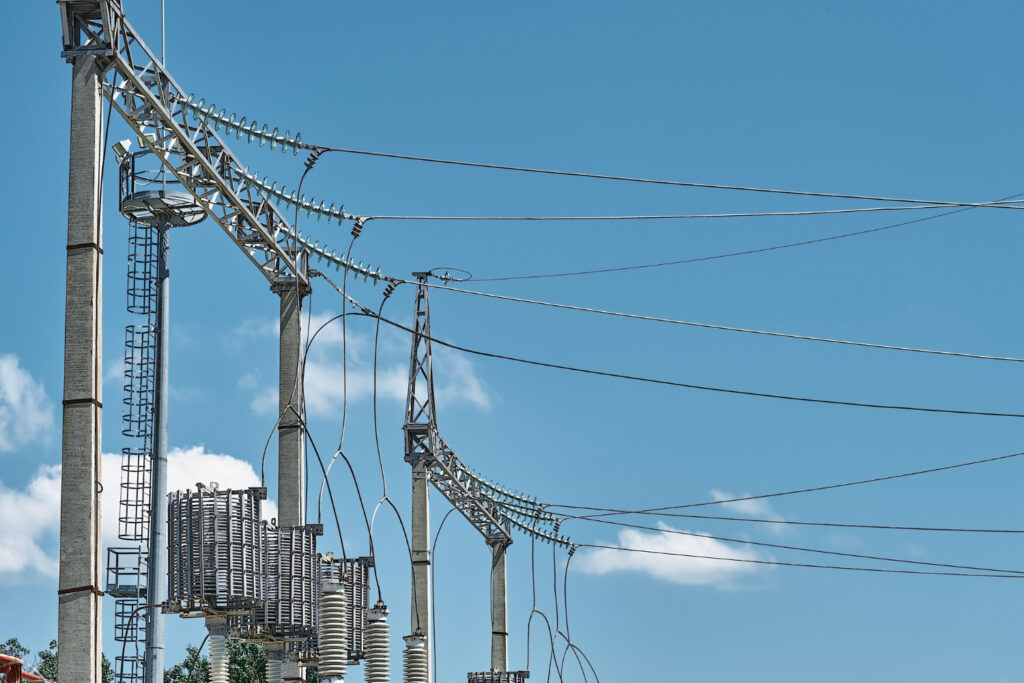
Utility systems are crammed with unseen dangers, often lying in spots difficult to inspect. Some of these hazards include worn-out insulation, exposed wiring, or faulty circuits which can seemingly appear out of nowhere. These threats could lead to fires, outages, or severe risks to worker safety, making it a priority to manage them effectively.
1. Worn-Out Insulation: Over time, insulation can degrade and fail, exposing live wires.
2. Exposed Wiring: Maintenance activities or natural wear can result in exposed wires, posing a major risk.
3. Faulty Circuits: Malfunctioning circuits aren’t always detectable until significant damage has occurred.
These hazards do more than just put the systems at risk; they can also have a significant impact on operations and worker safety. If not caught early, they can lead to costly shutdowns and repairs. This underlines the need for advanced methods to spot these perils ahead of time, ensuring timely interventions. AI technology integrates into this role, turning the traditional processes into smart, streamlined operations that work in real time. By identifying potential issues early on, AI fosters a safer environment for everyone involved in utility operations. It not only streamlines the detection but enhances the response pathway, ensuring everybody stays safe.
The Role of AI in Detecting Electrical Hazards
AI technology brings a fresh approach to addressing the challenges posed by hidden electrical threats. Unlike traditional methods, AI offers predictive analytics, scanning through vast amounts of data to recognize patterns that indicate potential hazards. This proactive capability allows for early identification and risk mitigation, reducing the likelihood of hazardous situations that might otherwise go unnoticed.
Through machine learning algorithms, AI can monitor systems continuously, understanding normal operational patterns and identifying anomalies. For instance, when AI detects unexpected changes in electrical load or temperature, it can alert maintenance teams promptly to address the issue before it develops into a critical failure. These AI-driven tools not only enhance safety but also optimize resource allocation by signaling when and where maintenance is truly necessary.
Benefits of Using AI for Electrical Hazard Inspection
Utilizing AI for electrical hazard inspection has several notable advantages. One of the most significant is the improvement in detection accuracy. AI eliminates guesswork, providing precise insights that help identify potential threats more effectively than conventional methods. By reducing the frequency of human error, AI systems ensure greater safety for utility workers, who rely on accurate data to perform their jobs safely.
The use of AI in hazard detection also leads to more efficient operations. With accurate data, utility companies can develop better maintenance strategies, addressing issues proactively rather than reactively. This not only saves time but also reduces costs associated with emergency repairs or equipment failures. Furthermore, AI helps to maintain compliance with safety regulations, illustrating that adopting this advanced technology is a wise investment for the future.
Implementing AI-Driven EHS Software in Utility Operations
Integrating AI-driven EHS Software into existing safety protocols involves several strategic steps. First, it’s crucial to assess your current safety practices to identify gaps that AI technology can fill. Next, choose an AI solution that aligns with your specific needs, whether it involves real-time monitoring or predictive maintenance capabilities. Here’s a simplified process to get started:
– Assess Current Practices: Understand what is working and where improvements are necessary.
– Research AI Solutions: Select software that fits the utility’s specific requirements.
– Develop a Plan: Create a step-by-step plan for integrating AI with existing systems.
– Staff Training: Educate your team on using AI tools effectively.
– Continuous Monitoring: Regularly update and adjust strategies based on new insights.
Successful implementation of AI-driven EHS Software enhances safety and ensures continuous improvement in utility operations. Companies gain from real-time monitoring, allowing them to anticipate issues before they become problems, thereby fostering a culture of safety and innovation.
Ensuring a Safer Future with AI Technology
Harnessing AI’s potential fully integrates advanced technology into the DNA of utility operations, creating a safer working environment. As AI continues to evolve, it will play an even more prominent role in transforming safety standards across industries. Embracing AI technology is not merely about keeping up; it’s about taking a forward-thinking approach to safety and performance.
With these advancements, utility sectors can look forward to improved efficiency, reduced manual intervention, and enhanced predictive capabilities. AI empowers utility workers by providing them the tools they need to prevent accidents and uphold high safety standards. Embracing AI’s capabilities signifies a commitment to safeguarding workers and infrastructure alike, ensuring that technology leads the charge toward a safer future.
Embrace the future of safety management with Field1st’s advanced tools. Discover how our AI-driven EHS software can improve utility operations, offering real-time insights and smarter risk management. Stay ahead in ensuring a secure workplace and protect both workers and infrastructure from hidden hazards.