Spring growth doesn’t wait, especially near power lines and utility corridors. As temperatures rise, vegetation starts to climb, spread, and sometimes tangle with important infrastructure. That uncontrolled growth can lead to unexpected outages, delayed repairs, or safety risks for crews already working hard in the field.
We’ve seen how job safety evaluation tools work alongside AI to help stay ahead of problems like these. By combining local growth trends, weather patterns, and field data, we’re able to make faster calls and keep field teams moving safely. It’s not just about clearing trees or brush; it’s about knowing when and where to act before the risk shows up in real time.
Prioritizing Risk in Active Growth Zones
Not all overgrowth is urgent. Some stretches stay safe for weeks, while others turn risky fast. Spring is when growth is the most active, which means deciding where to focus becomes more important than ever.
- Using patterns from past seasons and live weather data helps us flag areas where vegetation causes the most trouble.
- We can spot where branches or brush are getting too close to lines before it becomes an emergency.
- Crews are sent to higher-risk zones first, helping us keep systems up and crews out of danger.
This way, fieldwork happens with purpose. Teams aren’t wasting time in low-priority areas or missing problems hiding in fast-moving zones. We’re working smarter, not just harder.
Smarter Scheduling to Avoid Field Delays
Every region has its own growth timeline. What starts growing in early April in one area might hold off until late May somewhere else. If we use the same schedule across locations, we miss the mark. AI helps line up the work with real conditions on the ground.
- Scheduling changes based on what plants are actually doing, not just what the calendar says.
- Storms or temperature swings can delay or speed up growth, and our plans shift with it.
- We match the right crews with the right days and conditions, so we don’t miss our window.
That flexibility matters more during the spring rush. Getting ahead of growth means trimming when it’s needed, not a week too late. When we map schedules to real patterns, we save fuel, crew hours, and repeat visits. It keeps the work flowing and helps us avoid checking the same site twice.
Helping Crews Work Faster and Safer
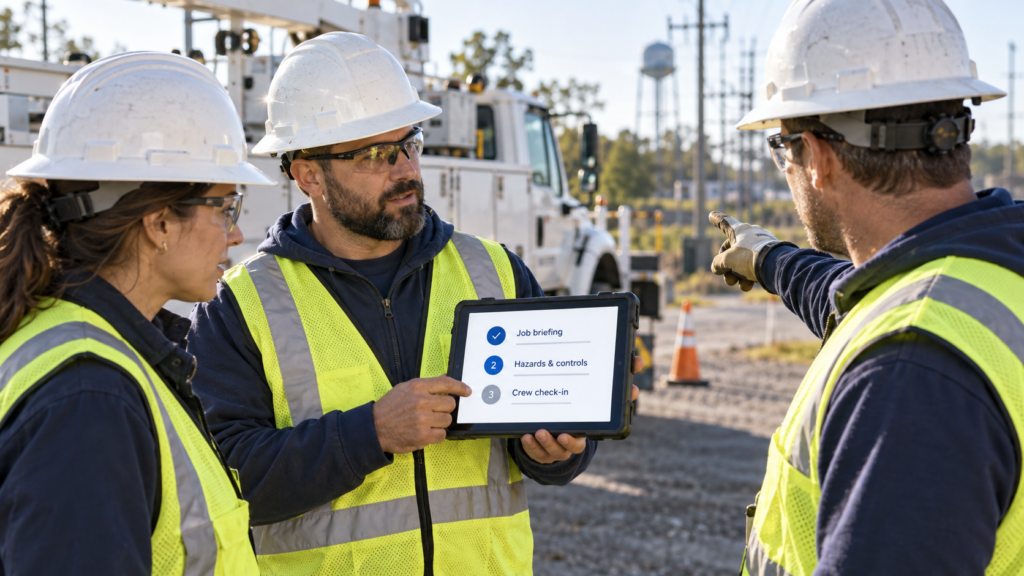
When a field job starts, the last thing anyone wants is surprise hazards that weren’t flagged earlier. Things like downed branches, redirected paths, or overgrown access points slow everyone down. They can also lead to unsafe working zones. Using job safety evaluation tools on-site helps reduce those gaps.
- Crews can check or report field conditions right from the job, without having to call in.
- Teams see the latest updates before arriving, cutting out unexpected delays.
- We follow clear steps for each task, helping crews stay consistent without confusion.
This isn’t just about speed. It ensures everyone knows the conditions, not just the supervisors. That shared awareness brings more trust and fewer mistakes. With clearer directions and real-time updates, each job moves quicker without cutting corners.
Catching Long-Term Problems Early
Some areas bounce back fast. Even after a good trim, certain trees or plants return to risky levels within weeks. Other spots show slow signs of trouble that don’t always get noticed during fast-paced spring work. That’s where AI helps highlight issues that repeat over time.
- We track where regrowth keeps creating new hazards, even after recent visits.
- Long-term patterns show where growth cycles demand more regular checks.
- When vegetation problems return often in the same zone, we know to adjust our plans.
Instead of reacting when it’s already too late, we change the way we schedule and inspect those areas. Looking for these patterns early lets us build smarter plans for the rest of the season. It gives us time to handle future risks before they even show up.
Boosting Communication Across Teams
Vegetation work usually happens across many zones, with different people managing different jobs. But the risks don’t care which crew is working which section. We need ways to keep every group informed about field changes so they’re not working with old info or waiting for someone else to relay the risk.
- Shared maps and notes keep job details updated and easy to check.
- Crews send updates without needing to text, call, or delay work.
- Safety updates, schedule changes, and inspection notes all stay in one place.
When each team sees the same updated info, work gets done with fewer questions or second-guessing. It helps new crews pick up where past ones left off without missing a beat. Shared data helps us keep every job moving forward, no matter who is running point that day.
Staying Ahead of Vegetation Risks This Season
Warmer weather brings faster growth, and spring is when field teams feel the pressure the most. From changing ground conditions to overgrowth hiding behind fences or ditches, the risks climb fast if we wait too long to act. That’s why using tools that focus on hazard detection and smart decision-making makes such a difference.
When we combine reliable scheduling, real-time updates, and consistent evaluation tools, we’re not guessing where the risk might be; we’re tracking it live. Crews work safer because they know more. Jobs get scheduled more efficiently because they follow actual field patterns, not just default plans. And long-term risks get handled before they turn into repeat outages.
By staying ahead of overgrowth this spring, we lower the stress on every part of the job. We protect our workers, shorten response times, and keep service steady, no matter how fast things grow.
At Field1st, we make seasonal vegetation tasks safer, faster, and easier by making sure field crews have the data they need, right when they need it. With real-time tracking, hazard flagging, and seamless team alignment, unpredictable field conditions no longer catch anyone off guard. Using reliable tools like our job safety evaluation tools empowers crews to act early and prevent repeat problems. Planning for growth this spring? Let’s discuss how we can help you move forward safely; contact us to start the conversation.