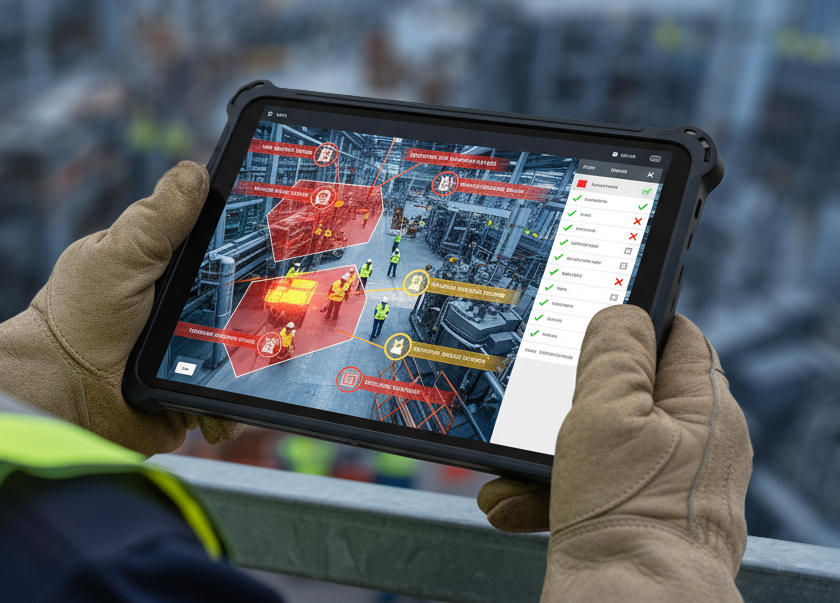
Field service safety inspection management plays a crucial role in maintaining a secure and compliant environment for workers in industries like gas utilities, electric utilities, oil and gas, and vegetation management. When inspections are consistent and reliable, they help prevent accidents and minimize risks. Safety is paramount in these sectors due to the high-risk nature of the work involved. A safety inspection system that ensures uniformity can significantly impact how effectively teams identify and mitigate hazards, leading to safer and more efficient workspaces.
In many field operations, inconsistent reporting poses a significant challenge. Without a reliable system, important details can slip through the cracks, leading to misguided safety interventions and compliance issues. This lack of consistency not only jeopardizes safety but also undermines the productivity and operational control needed to prevent incidents. Field service teams need a way to capture accurate data consistently, which helps in making informed decisions and planning proactive safety measures.
The Challenges of Inconsistent Reporting
The world of field service operations is filled with potential risks that must be reported accurately to ensure safety. However, inconsistent reporting remains a major hurdle. When different team members report incidents in varying formats or levels of detail, it leads to data that can’t be reliably compared or analyzed. This inconsistency makes spotting patterns or repeating issues much harder, which can have serious consequences for safety and efficiency.
The impact of such inconsistency is widespread. Safety-wise, it can mean that hazardous patterns aren’t recognized early enough to prevent harm. Compliance also takes a hit since audits and reviews require consistent, accurate data to demonstrate that safety standards are being met. Operational efficiency suffers as well, as resources get misallocated and time is wasted re-assessing already reported issues or clarifying incomplete reports.
To tackle these problems, teams need a standardized approach that fosters consistent data collection and reporting. This not only enhances safety by making patterns of risk more visible but also supports compliance efforts and improves operational flow. By dedicating time to fixing reporting inconsistencies, organizations can create a safer, more efficient environment for their field service teams.
Consider these common reporting challenges:
– Different team members using various reporting formats.
– Discrepancies in the level of detail among reports.
– Difficulty in identifying patterns due to varied reporting.
These hurdles require solutions that streamline and standardize how data is captured and interpreted, paving the way for more effective safety protocols and risk management strategies.
Role of an Incident Reporting System
An incident reporting system is a crucial part of managing field service safety. It acts as a central hub for collecting, tracking, and analyzing reports related to workplace incidents or near misses. Such a system standardizes how reports are made, ensuring all team members follow the same process. This uniformity makes it easier to compare data, identify recurring issues, and respond promptly to potential risks.
By implementing a comprehensive reporting system, organizations benefit in several ways:
– Streamlined procedures: Simplifies the reporting process for workers, making safety a priority without adding complexity.
– Data accuracy: Ensures that details are captured consistently, improving the reliability of the data collected.
– Faster response: Allows quicker analysis and action on reported incidents, minimizing their impact.
Using an incident reporting system fosters a proactive safety culture. As employees become familiar with the simple, streamlined process, they’re more likely to report incidents promptly. This engagement leads to better insights into workplace hazards and trends.
Leveraging AI for Enhanced Reporting Accuracy
AI technology can significantly improve how we capture and analyze safety data. By integrating AI into reporting systems, field service teams can better ensure data accuracy and consistency. AI tools can automatically flag incomplete or inconsistent entries, prompting further review before submission.
For example, AI can learn the typical patterns in safety data and alert the team when something falls outside these patterns. This early detection helps prevent minor issues from becoming major problems. AI also reduces time spent sorting and analyzing data, as it can quickly process large volumes of information and highlight critical findings.
AI isn’t just a tool for convenience; it enhances safety by providing real-time insights and predictions based on historical data. This means teams can anticipate potential incidents and work proactively to prevent them. The blend of human expertise and AI-driven insights creates a more dynamic approach to safety management.
Best Practices for Implementing an Incident Reporting System
Successfully integrating an incident reporting system involves several key steps. First, selecting a system that suits the diverse needs of your industry is essential. It should accommodate the type and volume of data specific to your field.
Here are some best practices to ensure smooth implementation:
– Training: Equip employees with the knowledge to use the system effectively. Regular workshops and training sessions can help maintain proficiency.
– Data Management: Organize and maintain records regularly to ensure data remains relevant and useful for analysis.
– Continuous Improvement: Regularly review the system’s performance and seek feedback from users to identify improvement areas. This can include system updates or interface changes that simplify the user experience.
Ensuring Consistency and Compliance in Field Service Operations
Using a dependable incident reporting system transforms how safety is managed across industries like gas, electric, oil and gas, and vegetation management. Consistent reporting ensures compliance with safety standards and regulations, which is vital for avoiding penalties and ensuring a safe working environment.
Long-term benefits include fostering a culture of safety and accountability within the workforce. When teams know that their reports are being actively used to enhance safety measures, it encourages more mindful participation. This engagement is key to building trust and commitment toward a safer workplace.
In gas utilities, for instance, accurate data could help prevent potential leaks by identifying risk patterns early. Similarly, in vegetation management, data-driven insights can help allocate resources for trimming trees near power lines, reducing outages. Across all utilities, the consistent application of safety protocols through reliable reporting not only meets compliance standards but also helps protect lives and the environment.
Overall, the shift to an AI-integrated, standardized incident reporting system promises to create safer and more compliant workspaces, leveraging technology to face current safety challenges head-on.
To enhance your field service operations and stay ahead of safety and compliance standards, see how an AI-powered incident reporting system can streamline communication and reduce risks. Field1st gives your team the tools to report, track, and act on safety data with ease—making every worksite more efficient and secure.