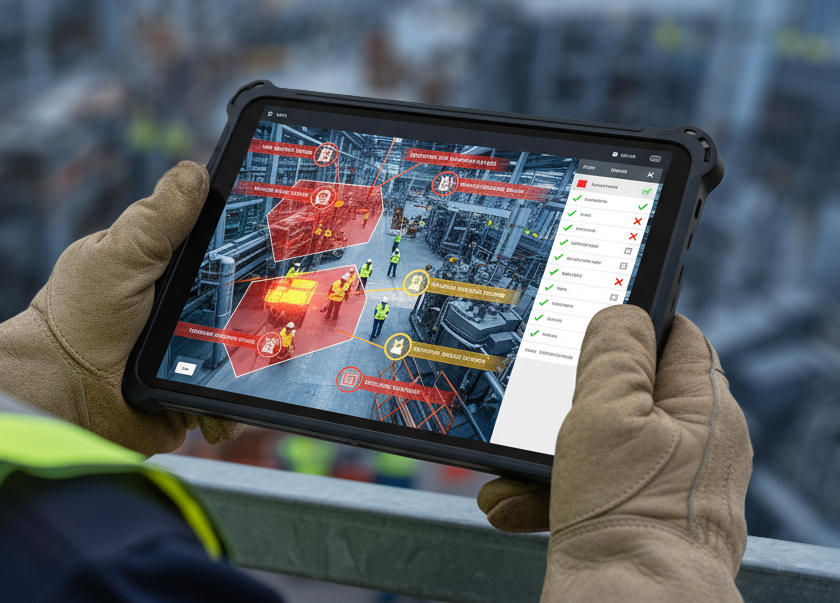
Why do predictive tools outperform traditional safety methods?
Traditional safety programs often rely on lagging indicators, injury reports, citations, or OSHA logs, reviewed after an incident has already occurred. Predictive analytics flips that model by analyzing real-time and historical data to identify warning signs before incidents happen.
Instead of looking back, predictive systems surface leading indicators like skipped training, repeat near-misses, or unsafe conditions logged during inspections. These signals help safety teams intervene early, reducing risk before it escalates.
For example, a predictive model may detect that electrical crews working overtime in hot weather are three times more likely to file fatigue-related incident reports. Research supports this: NIOSH’s heat stress criteria highlights the increased risk of errors and injuries under heat strain, while studies on long work hours link overtime to higher rates of occupational injury.
Now, instead of reviewing a static dashboard at the end of the quarter, safety leaders get daily updates showing where risk is rising, before anyone gets hurt. However, predictive tools only work if they have the right fuel, so what kind of safety data actually powers these predictions?
What types of safety data drive accurate predictions?
A single form isn’t enough. To work well, predictive safety models need structured, high-volume input from multiple sources. The most useful data types include:
- Job Hazard Analysis (JHAs): Repetition of high-risk tasks with inconsistent controls
- Inspection Failures: Identifying trends in failed items or delayed corrective actions
- Training Records: Gaps between required and completed training by job role
- Observation Reports: Behavior-based safety (BBS) data, especially repeated violations
- Environmental Inputs: Heat index, wind speed, lighting conditions
- Voice and Image Inputs: Unstructured data like verbal reports or site photos tagged with hazards
The key is not the data volume, its consistency and quality across time and teams. Once this data is collected, how do the models turn it into real-world risk alerts that teams can act on?
How do predictive models identify hidden risk?
Predictive models spot risk by recognizing patterns that tend to show up before incidents occur. These models are trained on past outcomes, like a trench collapse or a series of near-misses, and learn which signals appeared in the data beforehand.
Here are the most common early warning signs predictive tools can catch:
- Skipped safety steps: Frequent bypassing of specific form sections
- Training mismatches: Assigned work not aligned with certified qualifications
- Near-miss clusters: Repeat submissions from the same crew, site, or task type
- Corrective action delays: Open issues not resolved within policy timeframes
- Uncontrolled high-risk hazards: Hazards marked without matching controls or sign-off
- Environmental triggers: Sudden changes in heat, wind, or visibility linked to higher risk jobs
When these conditions show up together, the model flags them and triggers a targeted intervention, like retraining, a job pause, or supervisor review. The goal isn’t to replace safety judgment. It’s to help field teams act faster by turning scattered data into clear, actionable signals.
But identifying risk is only half the equation. To get results, organizations need systems that turn predictions into action, without slowing the work down.
How does Field1st bring predictive analytics to the field?
Predictive analytics only delivers value when it’s built for the realities of fieldwork. Field1st was designed to overcome the barriers that slow teams down, disconnected systems, manual data entry, and static dashboards, with tools that drive action right where the risk is.
Here’s how it works:
- Voice1st Data Capture: Crews log inspections, JHAs, and incident reports using voice alone. No typing, no delay. Just accurate, high-quality data captured on the spot.
- Hazard Detection from Photos: Snap a site photo. The system flags potential hazards and suggests controls in seconds, no guesswork, no missed steps.
- Real-Time Pattern Recognition: When the same issues start surfacing, whether it’s a job role, task type, or site, the system connects the dots and sends instant alerts to safety leads.
- Live Risk Dashboard: All safety data flows into a single dashboard that ranks crews and locations by risk. Leaders know exactly where to focus, without digging through reports.
- Ready1st Emergency Prep: When time matters most, crews can access site-specific emergency info, hazards, contacts, entry points, in just a few taps. Everything’s preloaded. Nothing’s left to chance.
With Field1st, your safety data works as hard as your teams do. Predictive doesn’t mean guessing. It means using what’s already in your hands, photos, forms, observations, to spot problems early and act fast. Schedule a demo and see how your crews can prevent more, respond faster, and stay ahead of risk.
FAQ
Is predictive safety only for large companies?
No. Any company with recurring tasks, jobsite hazards, and digital data can benefit. Predictive tools scale up or down depending on the size of the team and the complexity of the work.
Does predictive analytics replace safety professionals?
Not at all. It gives safety leaders better visibility, helping them prioritize where to act, spot trends earlier, and make faster, more informed decisions.
How often do predictive models need to be updated?
Most models should be refreshed every few months, or anytime there’s a major change in operations, staffing, or processes that could shift risk patterns.
Can I use predictive analytics without structured forms?
No. Predictive accuracy depends on clean, consistent data. Scattered notes, PDFs, or images without context can lead to missed patterns and lower-quality insights.
What kind of ROI can I expect from predictive safety?
Teams that shift from reactive to predictive models often see fewer incidents, faster interventions, and better use of safety resources, all within the first few months of implementation.